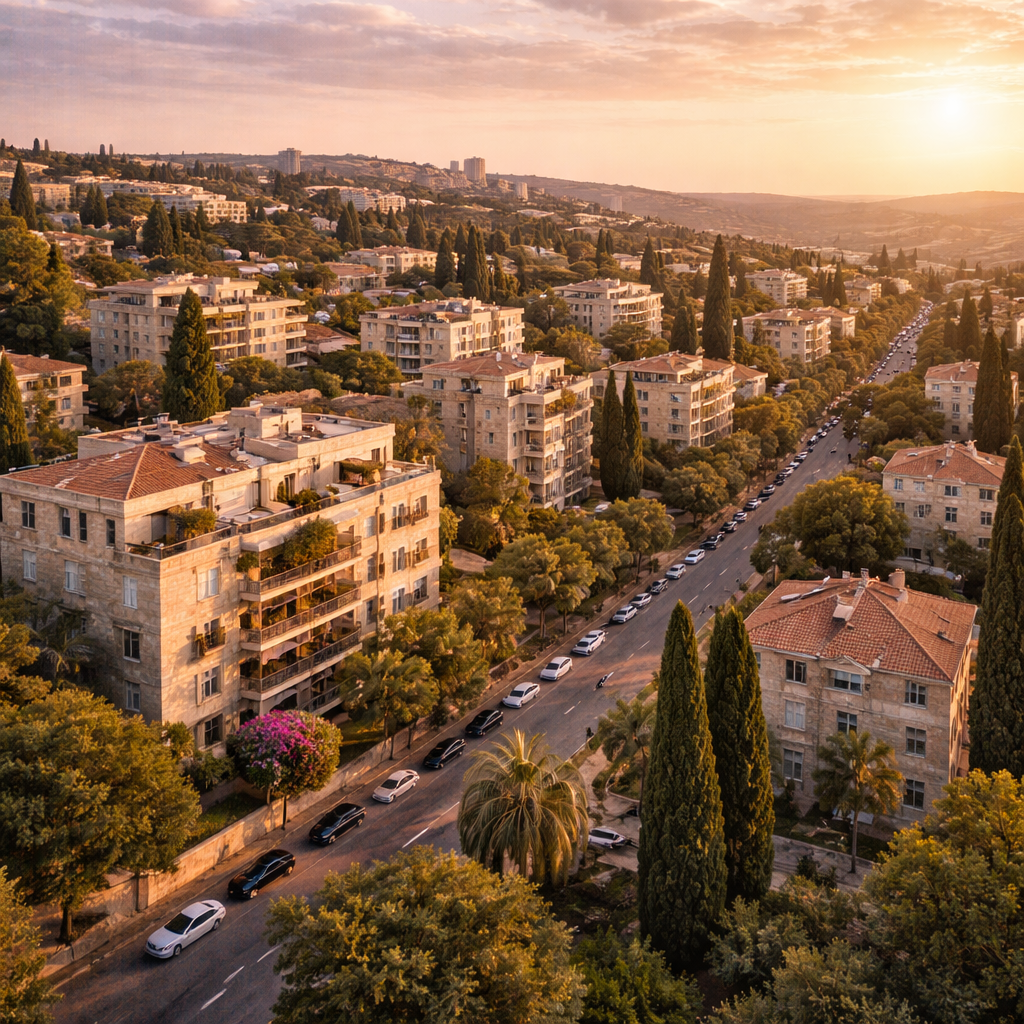
Old Katamon | Anglo Community
Let me tell you about Old Katamon, a neighborhood that embodies perhaps more intensely than any other in Jerusalem the layered complexity of history, displacement, and transformation that defines this contested city. Old Katamon, or Katamon Tet Vav as it’s sometimes called in Hebrew, sits just south of the main Katamon area, extending toward the neighborhoods of Talpiot and Arnona, and walking through its streets is like reading the palimpsest of Jerusalem’s twentieth-century history written in stone and absence, in architectural grandeur and human loss, in what remains and what has been erased.
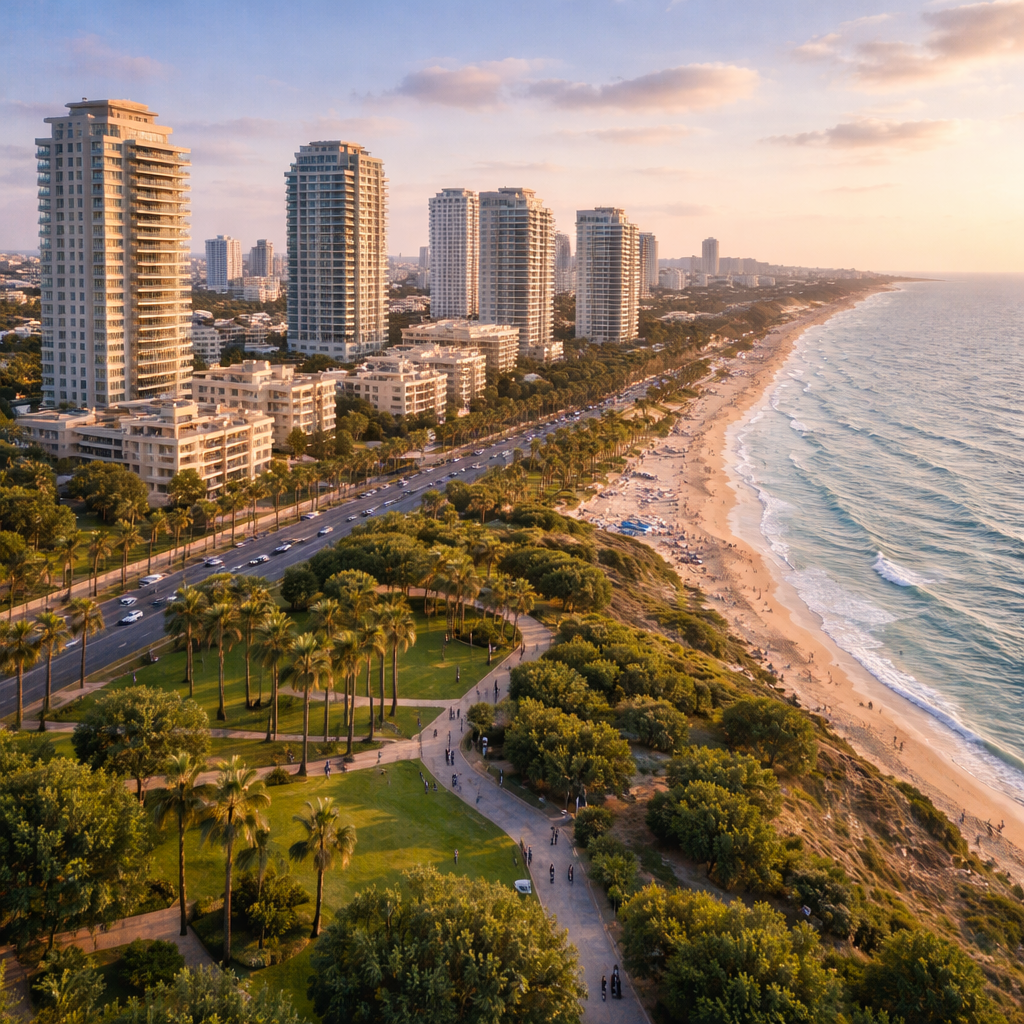
North Tel Aviv | Anglo Community
North Tel Aviv represents a different proposition entirely from the more concentrated Anglo enclave of the Old North, spreading across a broader swath of the city’s northern reaches and encompassing multiple neighborhoods with varying characters, price points, and demographics. When Israelis or real estate agents talk about North Tel Aviv, they’re generally referring to everything from the Yarkon River northward to the Tel Aviv-Ramat Aviv border, a zone that includes some of the city’s most desirable and expensive real estate alongside pockets that remain relatively more accessible. For English-speaking immigrants, North Tel Aviv offers a dispersed but growing community of professionals and academics who have chosen this part of the city for its quality of life, green spaces, and proximity to both the beach and major employment centers.
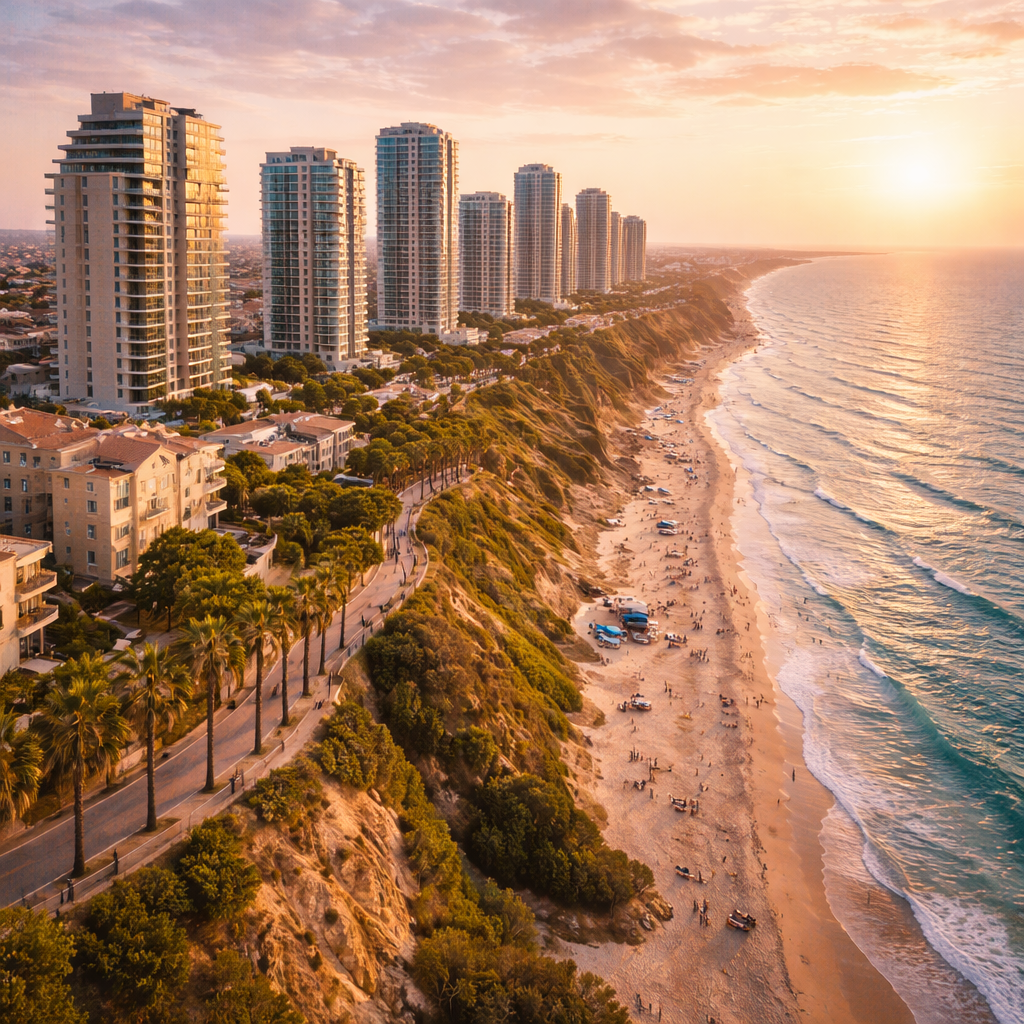
North Netanya | Anglo Community
North Netanya doesn’t announce itself with a single dramatic skyline or a unified architectural vision. It’s not a neighborhood in the traditional sense, with clear borders and a defined identity that everyone agrees upon. Instead, North Netanya represents something more dynamic and evolving: a collection of areas in the northern part of the city that have become focal points for new development, growing communities, and particularly, increasing numbers of English-speaking immigrants seeking affordable coastal living. When real estate agents and community organizers talk about North Netanya, they’re describing a phenomenon as much as a place, a recognition that something significant is happening in these northern areas that makes them worth paying attention to if you’re considering making Netanya your home.
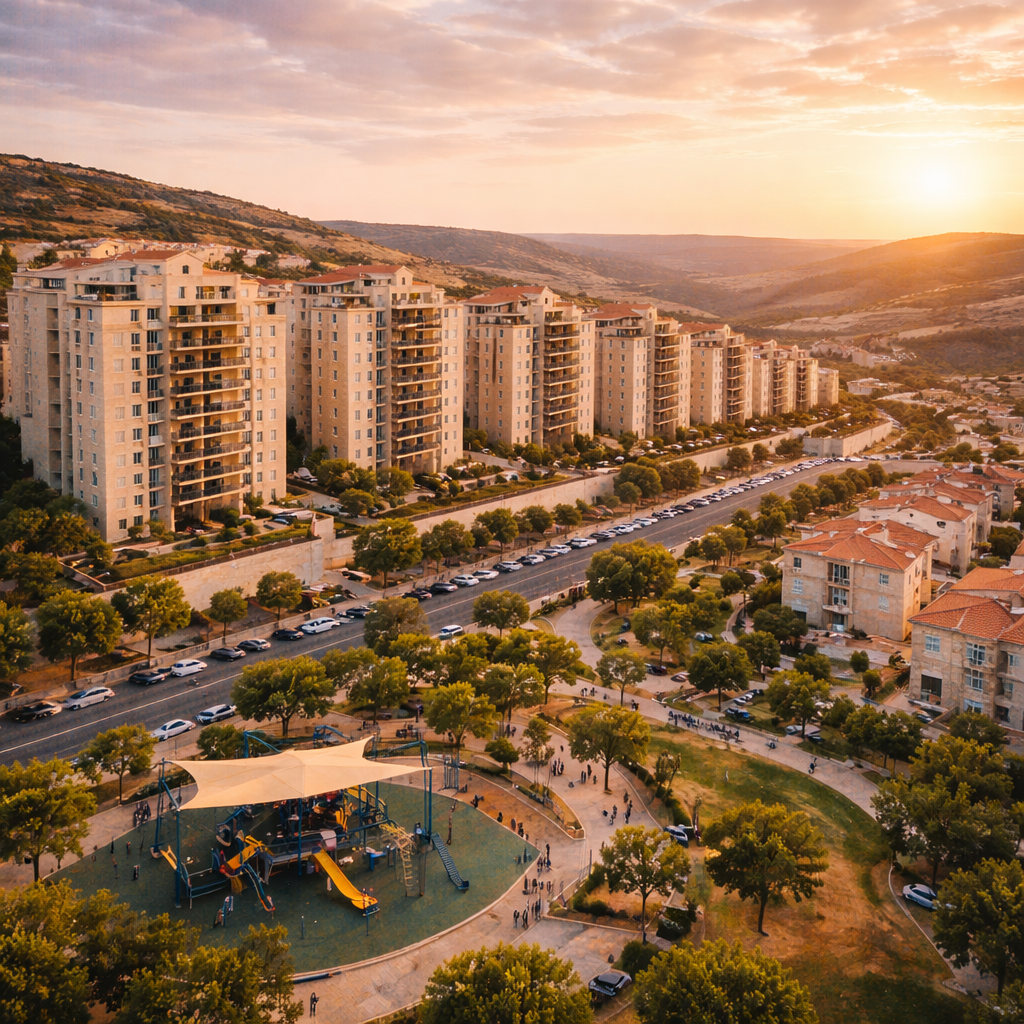
Nofei Hashemesh | Anglo Community
In the early 2000s, when real estate developers committed to building a line of elegant townhouses along the north side of a not-yet-paved road across a steep hill in Beit Shemesh, they were creating something that would become far more than just another housing development. They named the road Rehov Hasitvanit, after a local wildflower called the sitvanit or autumn crocus, and they called the neighborhood Nofei Hashemesh, meaning “Sunscape” or “Landscape of the Sun,” echoing the name of the city itself, Beit Shemesh, “House of the Sun.” What they couldn’t have predicted was that this neighborhood would pioneer a revolutionary model for building Anglo communities in Israel, one centered not around shared ethnicity or economic class but around inspired rabbinic leadership and the American synagogue model transplanted to Israeli soil.
Nofei Aviv | Anglo Community
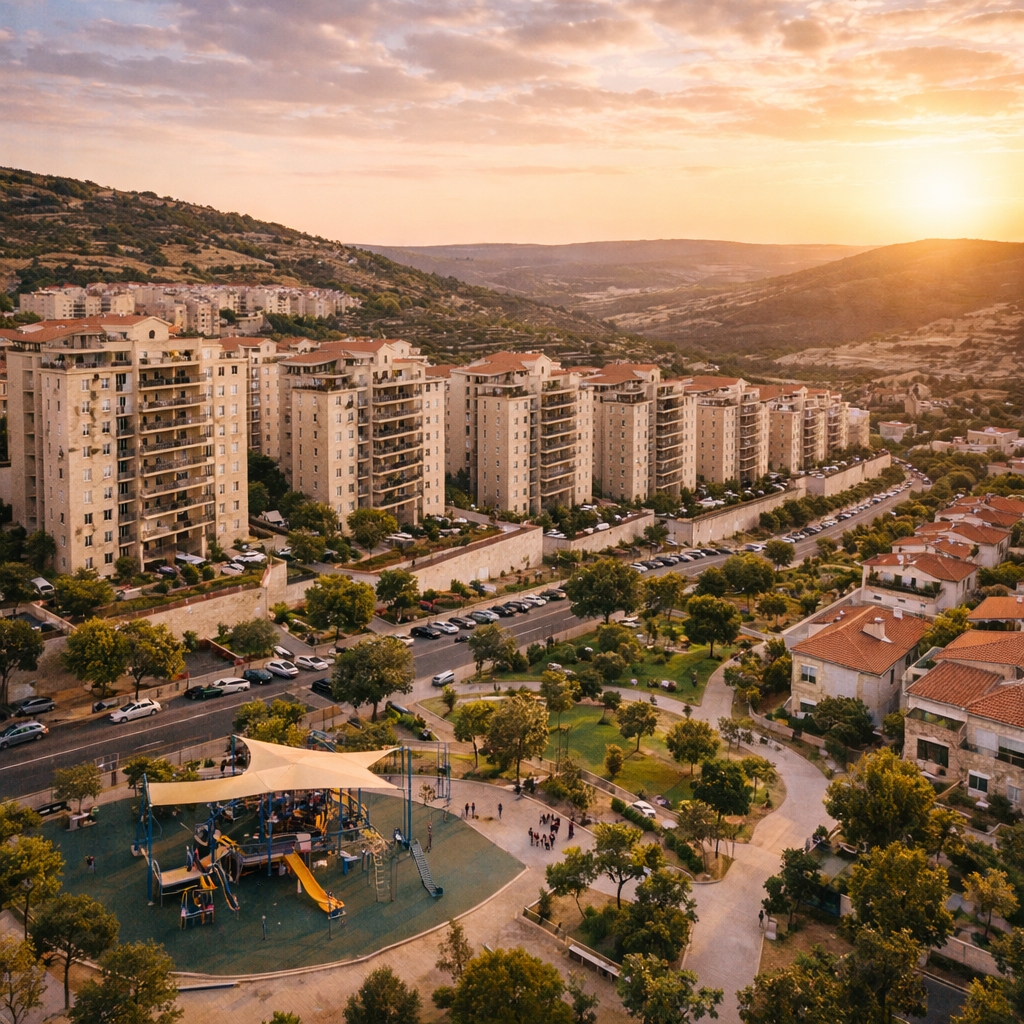
In 1996, when construction workers were just beginning to lay the foundations for what would become one of Beit Shemesh’s most successful Anglo neighborhoods, few could have imagined that this small community of semi-attached cottages would serve as a model for Modern Orthodox aliyah that would influence community building across Israel for decades to come. Nofei Aviv, whose name means “Spring Landscape” in Hebrew, was established in that year as part of the wave of Anglo development in Beit Shemesh that had begun with Sheinfeld in 1991 and would continue with Migdal Hamayim, Nofei Hashemesh, and eventually Ramat Beit Shemesh itself. What made Nofei Aviv distinct from the beginning was its focus on creating not just housing but a genuine kehilla, a community built around a central synagogue and shared values, where families making aliyah from English-speaking countries could maintain their religious and cultural identity while integrating into Israeli life.
Neve Tzedek | Anglo Community
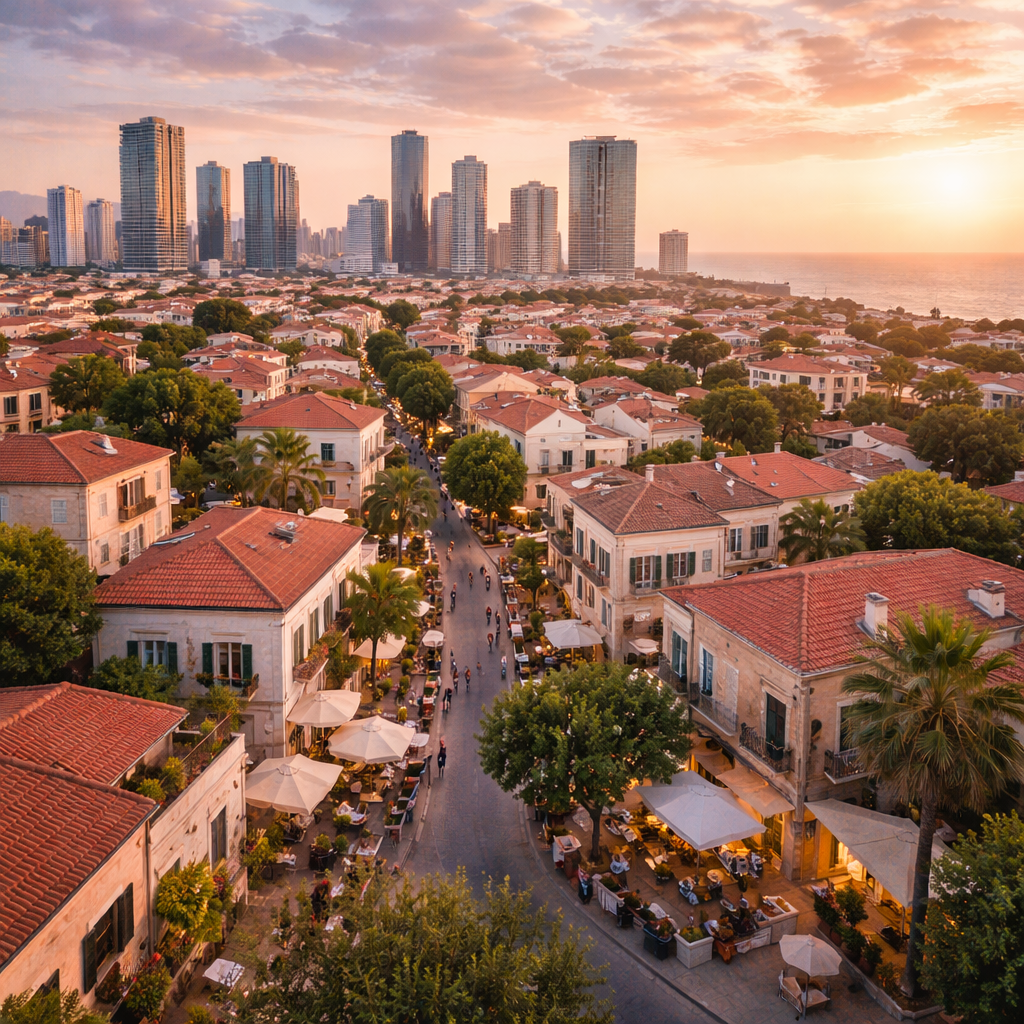
Neve Tzedek holds a special place in Tel Aviv’s urban fabric, representing not just a neighborhood but a piece of living history that has transformed from the city’s humble beginnings into one of its most desirable and expensive addresses. The name itself means “Oasis of Justice,” and while the neighborhood today is more closely associated with boutique hotels and art galleries than with any particular notion of justice, it retains a romantic charm that makes it irresistible to a certain type of resident, including those English-speaking immigrants who can afford its premium prices and appreciate its unique character.
Neve Remez | Anglo Community
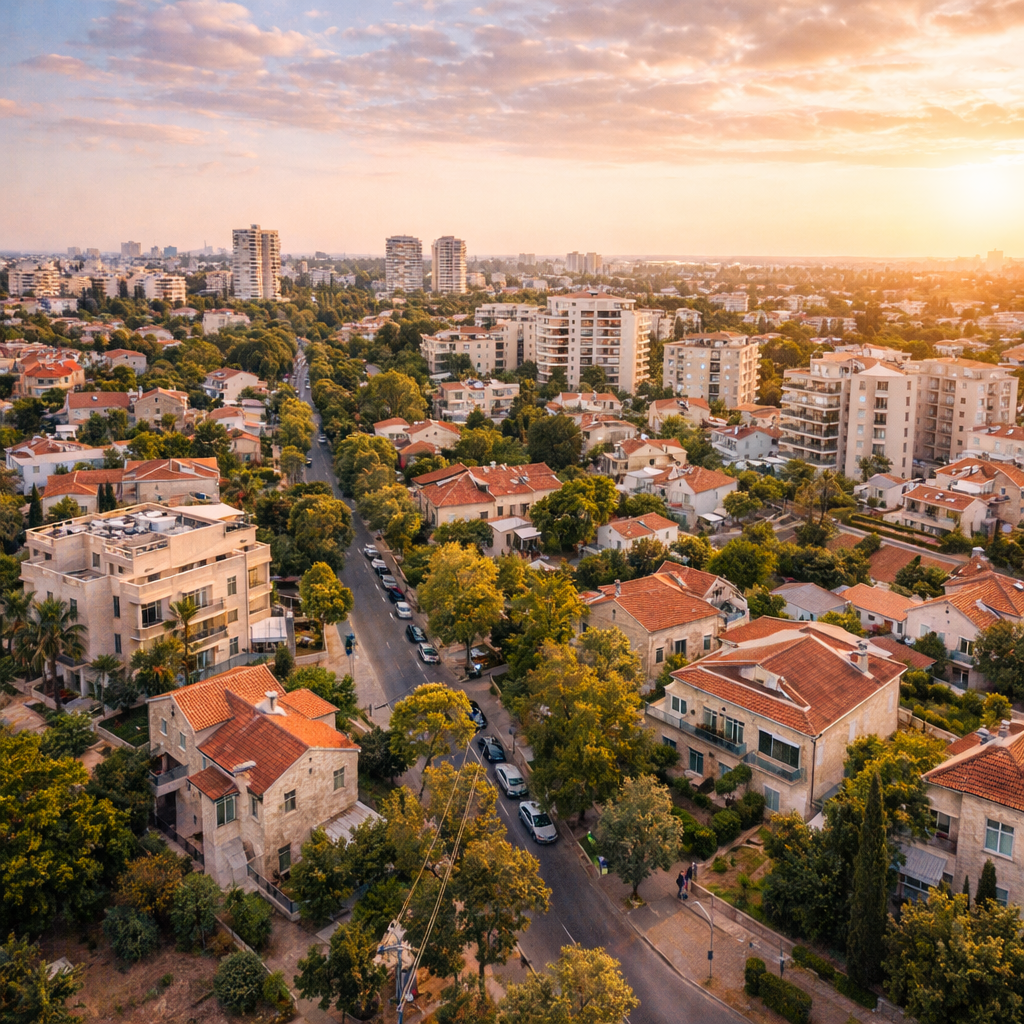
When you arrive in Zichron Yaakov and people talk about “the Moshava,” they’re referring to something far more than just another neighborhood. They’re speaking about the original settlement itself, the historic core that gave birth to this entire town perched high on the southern slopes of Mount Carmel. The word “moshava” means agricultural settlement in Hebrew, and this particular one has a story that stretches back to December 1882, when one hundred determined Romanian Jewish pioneers stepped onto this land with little more than hope and an unshakeable belief in returning to their ancestral homeland.
Moshava | Anglo Community
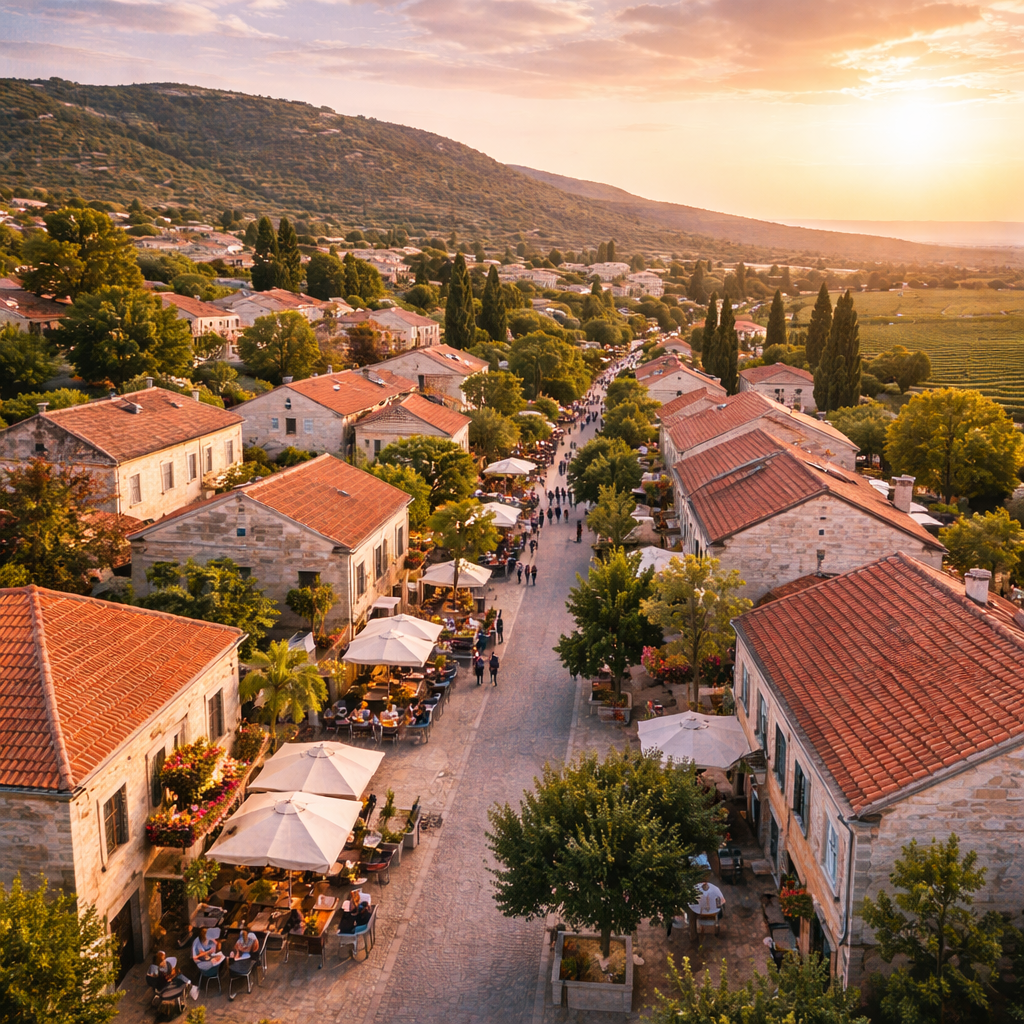
When you arrive in Zichron Yaakov and people talk about “the Moshava,” they’re referring to something far more than just another neighborhood. They’re speaking about the original settlement itself, the historic core that gave birth to this entire town perched high on the southern slopes of Mount Carmel. The word “moshava” means agricultural settlement in Hebrew, and this particular one has a story that stretches back to December 1882, when one hundred determined Romanian Jewish pioneers stepped onto this land with little more than hope and an unshakeable belief in returning to their ancestral homeland.

Mishkafayim | Anglo Community
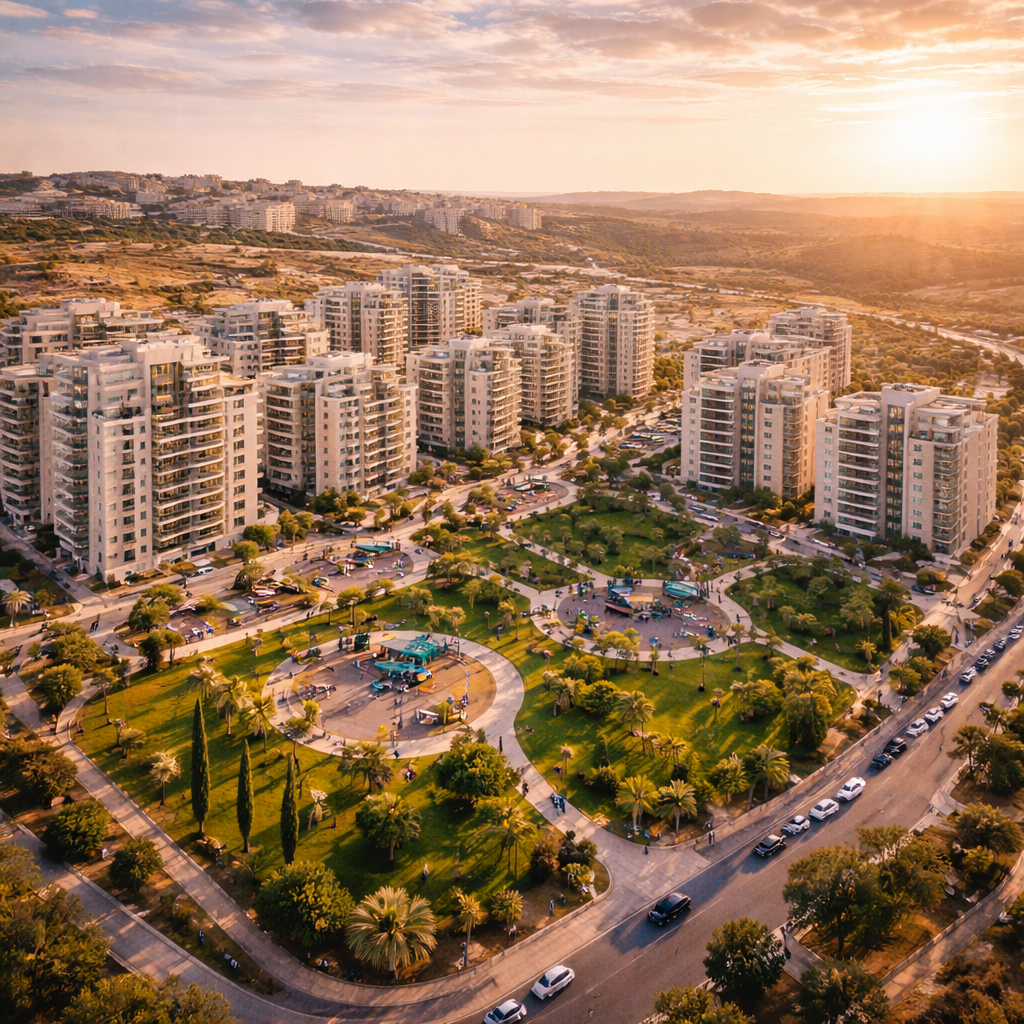
When the Israel Lands Authority released the results of a land auction on February 6th, 2012, few could have predicted that the quiet hillside overlooking the Zanoah quarry at the eastern edge of Ramat Beit Shemesh Aleph would transform within a decade into one of the most sought-after neighborhoods for Anglo families in all of Israel. That parcel of land became Mishkafayim, whose very name means “binoculars” or “perspectives” in Hebrew, a fitting description for a neighborhood perched on elevated terrain with gorgeous mountain views stretching across the Judean hills. The story of Mishkafayim is the story of modern Israel’s remarkable construction boom intersecting with the continuing wave of Anglo aliyah, creating in just a few years a leafy suburb that combines spacious modern living with strong communal institutions and a distinctly Dati Leumi character.
Migdal Hayamim | Anglo Community
In the early 1990s, when the wave of Anglo immigration to Beit Shemesh was just beginning to build momentum, four neighborhoods in the Givat Sharett area were being developed simultaneously to accommodate the influx of English-speaking families seeking affordable housing near Jerusalem. Sheinfeld, Nofei Aviv, Nahala U’Menucha, and Migdal Hamayim all began construction during this formative period, each carving out its own identity and attracting families with different preferences and priorities. Of these four pioneering communities, Migdal Hamayim, whose name means “Tower of Water” in Hebrew, emerged as perhaps the most diverse and least exclusively Anglo, creating a unique blend of Israeli-born residents and immigrants that would distinguish it from its more homogeneous neighbors.
Katamon | Anglo Community
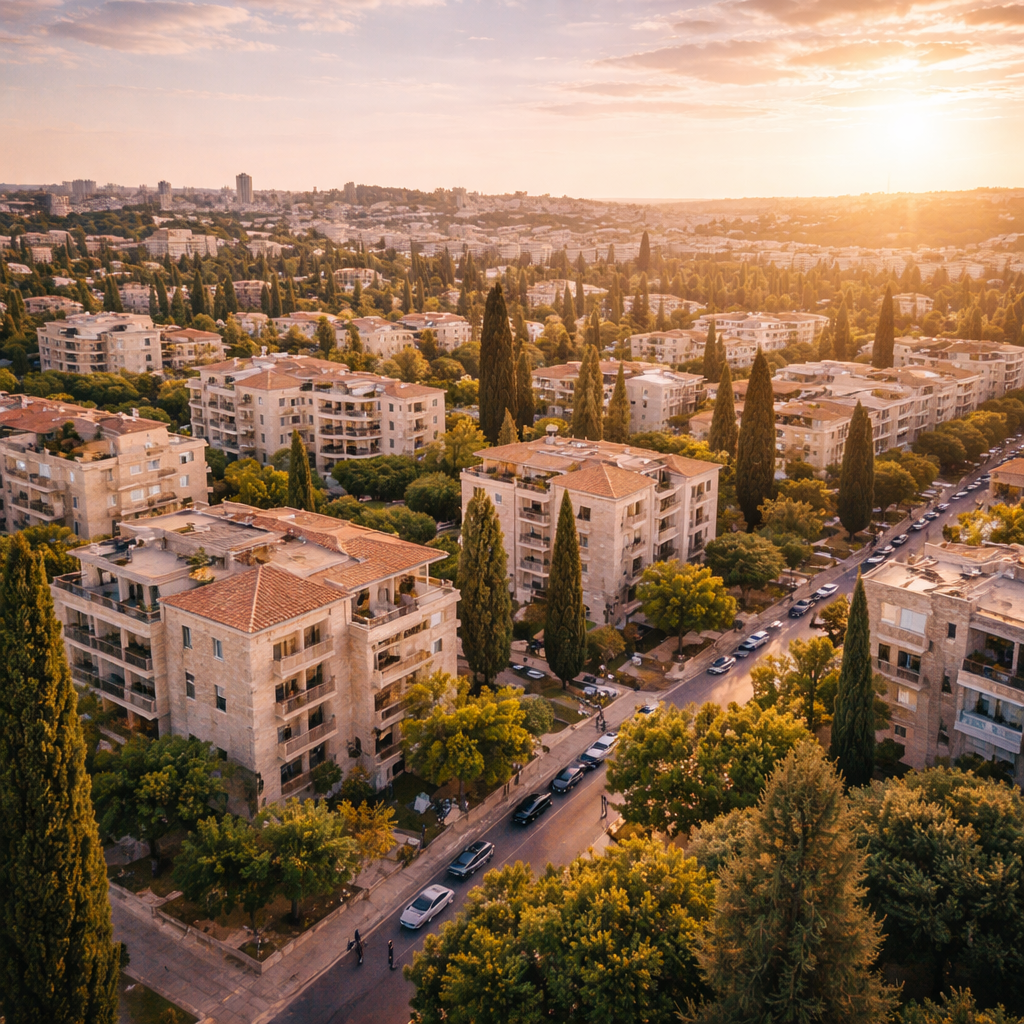
Let me tell you about Katamon, a neighborhood that in many ways represents the heart of modern Jerusalem’s transformation and the complex layers of history that define this extraordinary city. Katamon sits in southern Jerusalem, adjacent to both the German Colony and Baka, and if you want to understand the story of Jerusalem itself, the story of how ancient meets modern, how tragic history becomes hopeful future, how diverse communities learn to coexist, then Katamon is the neighborhood you need to know.
Kaiser | Anglo Community
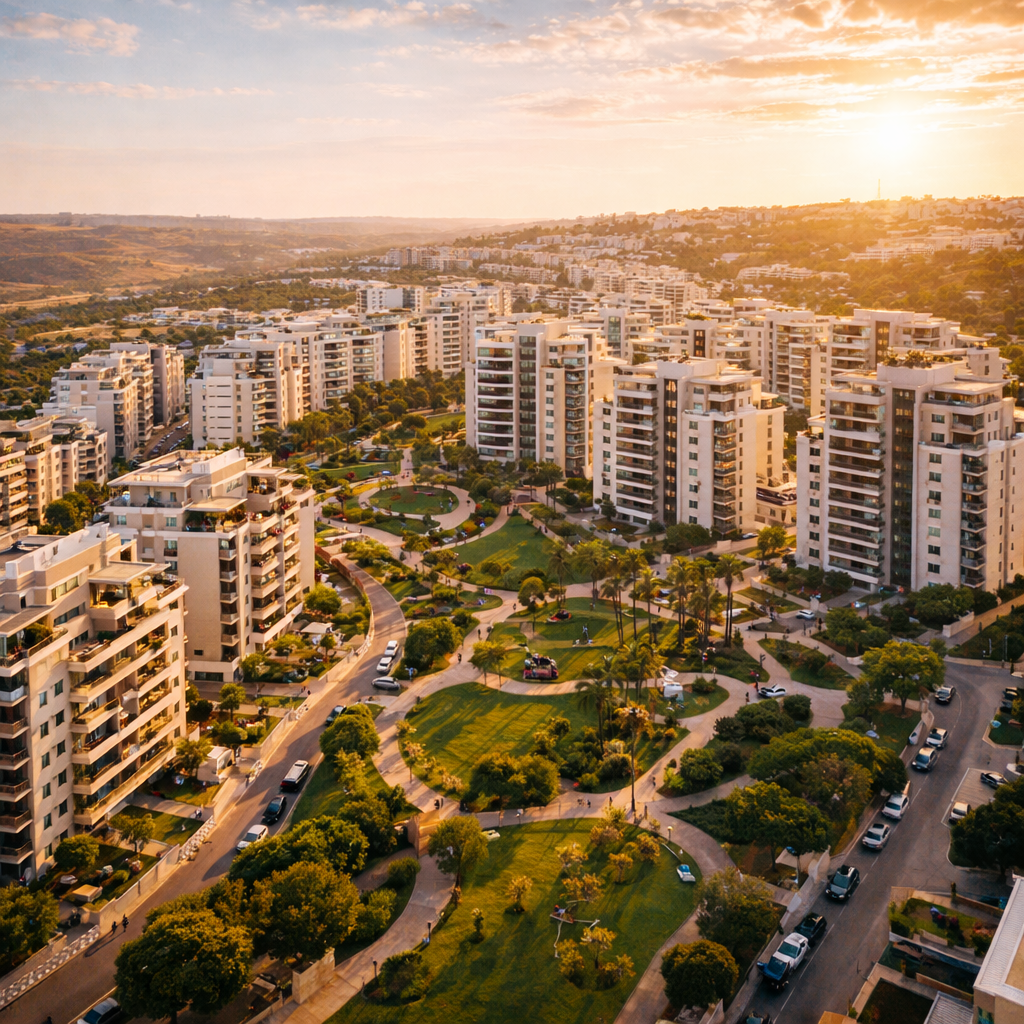
Imagine a neighborhood where your children play soccer in Hebrew with Israeli kids in the afternoon, but come home for Shabbat dinner with families from Manchester and Johannesburg. Where you can walk to thirteen different synagogues, including the beloved “Anglo shul” that feels like a slice of Teaneck transplanted to the Israeli landscape. Where low-rise buildings create an almost suburban feel, yet everything you need is within a ten-minute walk. Welcome to Kaiser—or as it’s officially known in Hebrew, Avnei Chen. This is Modiin’s hidden gem, the neighborhood that offers something increasingly rare in Israel’s Anglo communities: genuine integration without isolation. While Buchman gets more attention as Modiin’s premier Anglo destination, many families who’ve explored both will tell you that Kaiser offers something special—a true 50/50 blend of Anglo and Israeli families that creates not just a place to live, but a model for how aliyah can work at its best. Today, we’re going to explore Kaiser in depth—its unique character, its family-friendly design, its vibrant community life, and why it might be the perfect choice for families who want to be fully Israeli while keeping their Anglo identity intact.
Ir Yamim | Anglo Community
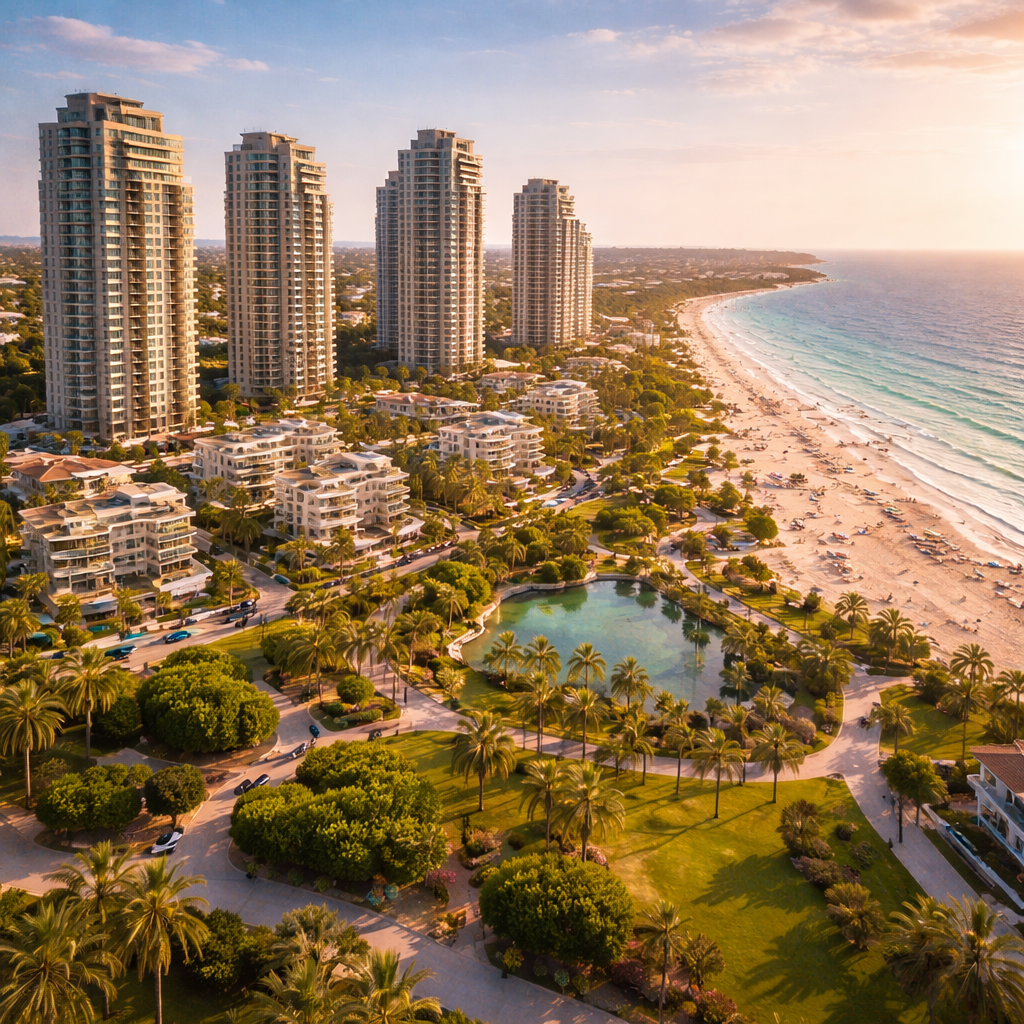
If you’re standing on a high-rise balcony in Ir Yamim watching the Mediterranean sunset paint the sky in shades of orange and pink, you might find yourself wondering how this neighborhood came to exist. The name Ir Yamim translates to City of the Seas, and while that might sound like marketing poetry, it’s actually an accurate description of what developers envisioned when they began transforming this stretch of southern Netanya coastline in the early two thousands. This wasn’t just another housing project. It was an ambitious attempt to create an entire lifestyle, a planned community that would blend luxury residential living with resort-style amenities and direct beach access, all within easy reach of Israel’s central corridor.
Hertzliyah Pituach | Anglo Community
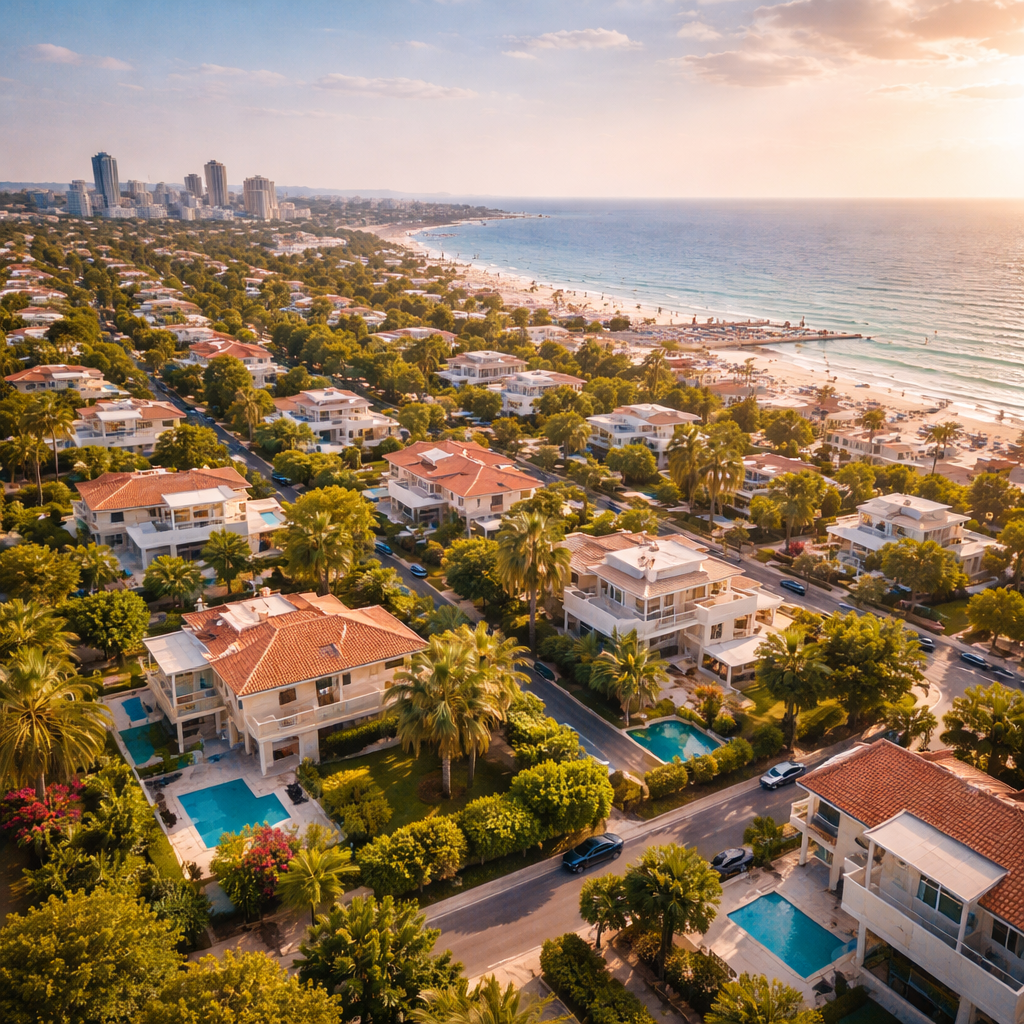
Herzliya Pituach, often simply called “the Pituach,” represents one of the most prestigious and luxurious residential areas in all of Israel. It’s the coastal section of Herzliya that stretches along the Mediterranean Sea, and it has a very different character from the rest of the city. When Israelis talk about Herzliya Pituach, they’re usually referring to wealth, international business, and a lifestyle that’s more reminiscent of southern France or California than traditional Israeli neighborhoods. For English-speaking immigrants, particularly those with established careers or significant financial resources, it’s become an increasingly attractive option, though it’s quite different from the typical Anglo community experience you’d find in places like Ra’anana or Jerusalem.
Central Ra’anana | Anglo Community
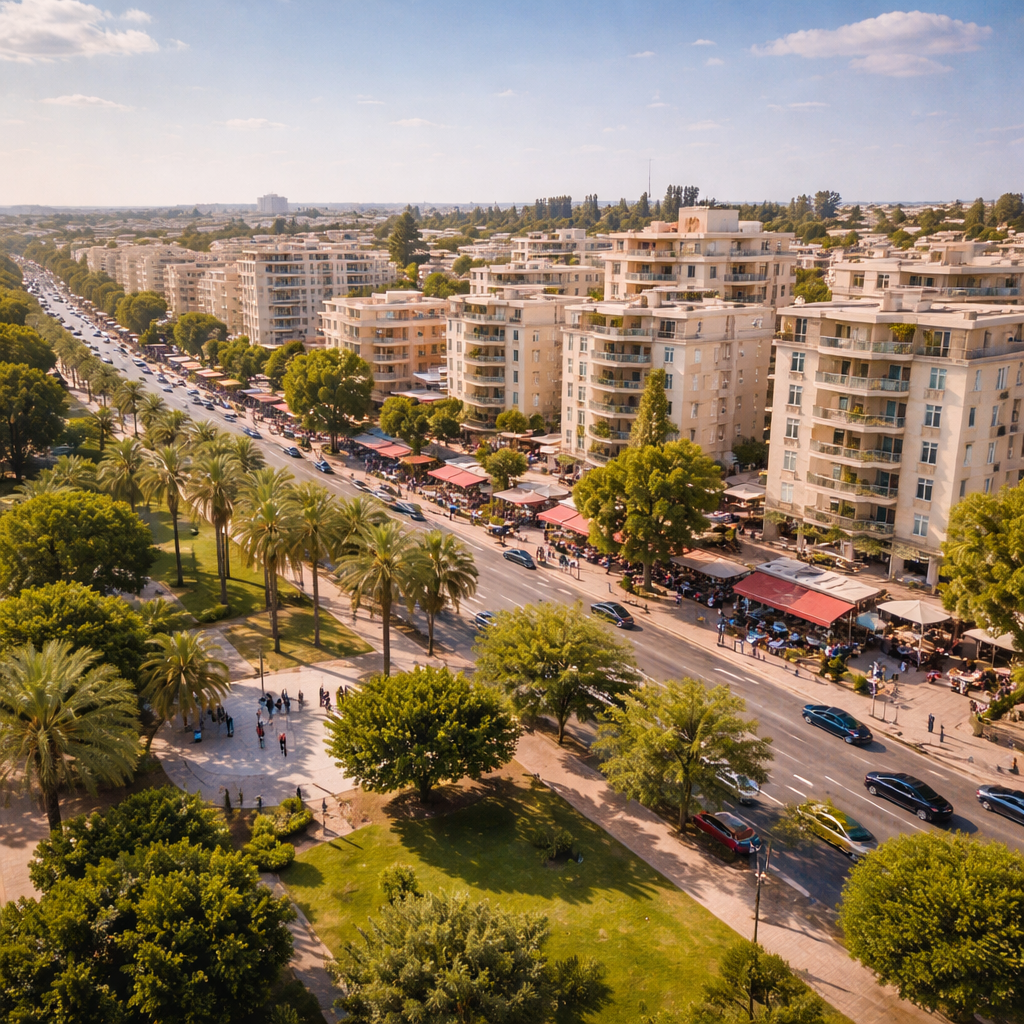
Let me give you an honest, lived-in picture of what it’s really like to live in Ra’anana as an English-speaking immigrant, not as a brochure, not as a sales pitch, but as a place people actually build their lives. Ra’anana has quietly become the default destination for affluent Anglo families making aliyah, particularly those with children, professional careers, and a desire for stability, community, and excellent education. And there’s a reason for that, but there’s also a price to pay, both financially and culturally.
Baka | Anglo Community
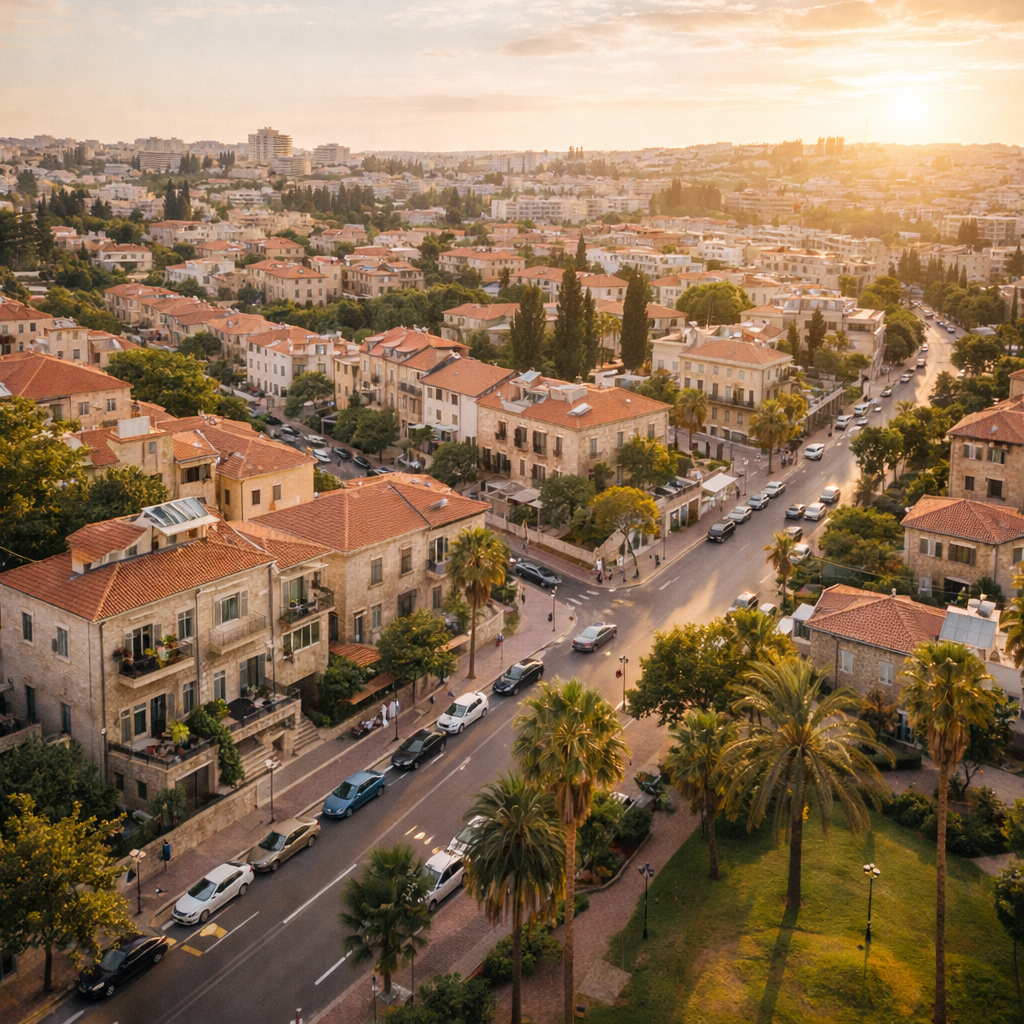
I’d like to tell you about Baka, one of Jerusalem’s most remarkable neighborhoods and perhaps the premier destination for English-speaking immigrants to Israel. Picture a place where ancient Jerusalem stone meets modern cosmopolitan life, where you can hear as much English as Hebrew on the streets, and where the aroma of fresh-baked challah mingles with artisanal coffee from trendy cafés.
Buchman | Anglo Community
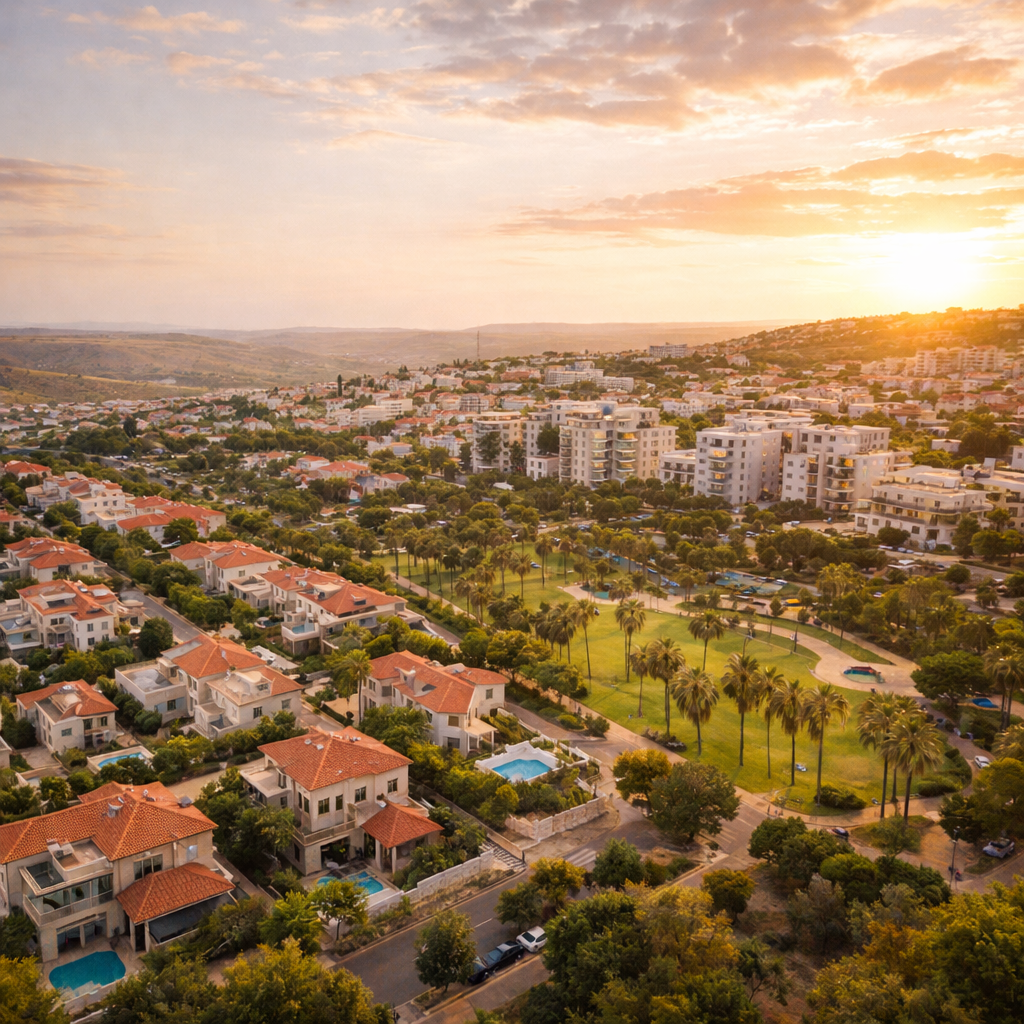
Picture yourself standing in the heart of Buchman, one of Modiin’s most sought-after neighborhoods. The air is crisp, the Mediterranean sun filters through carefully planned boulevards, and around you, you hear a symphony of languages—Hebrew mixing seamlessly with English, accented by British inflections, American drawls, and South African lilt. This is Buchman, where thousands of English-speaking families have found not just a place to live, but a place to truly call home in Israel. Today, we’re going to take you on a journey through this remarkable neighborhood—exploring why it’s become the top choice for Anglo families making aliyah, what daily life really looks like here, and whether Buchman might be the right fit for your own Israeli dream.
2005 Neighbourhood | Anglo Community
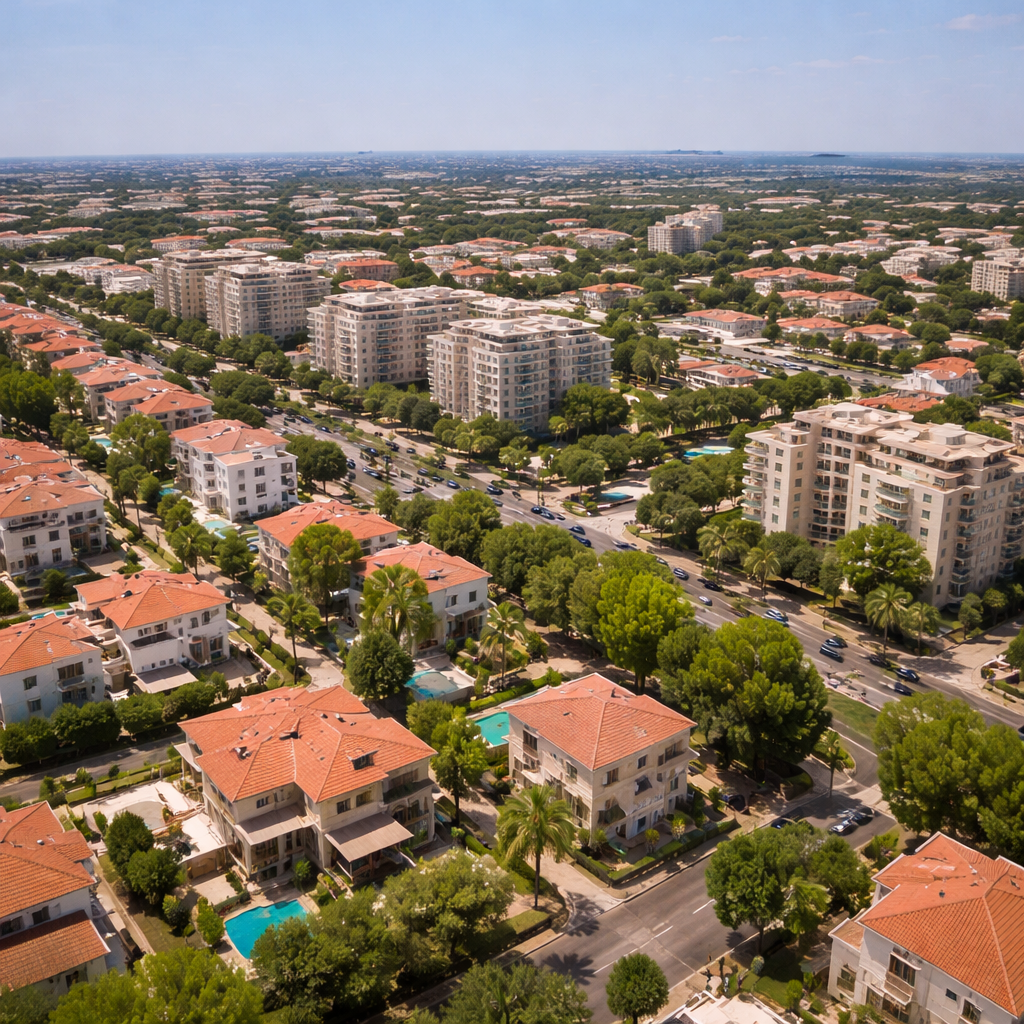
The “2005” Neighborhood carries its name like a timestamp, marking the moment of its creation and forever identifying it as part of Ra’anana’s eastern expansion during the mid-2000s when Israel’s economy was booming and housing developments sprouted across the central region to accommodate growing demand. Located on the far eastern edge of the city, this area represents Ra’anana’s geographical limits, the point where the municipality ends and neighboring jurisdictions begin, creating a neighborhood that technically belongs to the city while feeling somewhat removed from its established center and traditional character. For families considering Ra’anana, the “2005” Neighborhood presents a study in trade-offs between affordability, space, and connection to the amenities and community that define the city’s appeal.

Ness Ziona | Anglo Community
Welcome to this exploration of what it's really like to live in Ness Ziona as an English-speaking immigrant. Whether you're deep into aliyah research or just starting to look beyond the usual Anglo destinations, I want to give you an honest picture of daily life in a city that quietly delivers one of central Israel's best quality-of-life propositions—without ever making anybody's top-ten list.
Be’er Ya’akov | Anglo Community
Welcome to this exploration of what it’s really like to live in Ashkelon as an English-speaking immigrant. Whether you’re seriously considering aliyah or just curious about this Mediterranean coastal city, I want to give you an honest picture of daily life in one of Israel’s most affordable beachfront destinations.