Real Estate For Sale In Modiin
Modi'in has firmly established itself as one of Israel's most desirable cities for property buyers, combining a high standard of living, excellent public services, modern housing stock, and strong community atmosphere with property prices that remain more accessible than Tel Aviv and Jerusalem. Perfectly located between the country's two major cities with direct train connections to both, Modi'in offers buyers the ideal balance of suburban comfort and urban connectivity — a combination that drives consistent demand and supports long-term property value growth.
Real Estate For Rent In Modiin
Modi'in has earned its reputation as one of Israel's most family-friendly and liveable cities, and its rental market reflects the city's broad appeal to young families, professionals, and olim seeking a high quality of life at a more accessible price point than Tel Aviv or Jerusalem. Positioned centrally between the two major cities, with direct train connections to both, Modi'in offers modern apartments, excellent schools, beautiful parks, well-maintained infrastructure, and a warm, community-driven atmosphere across its established neighbourhoods.
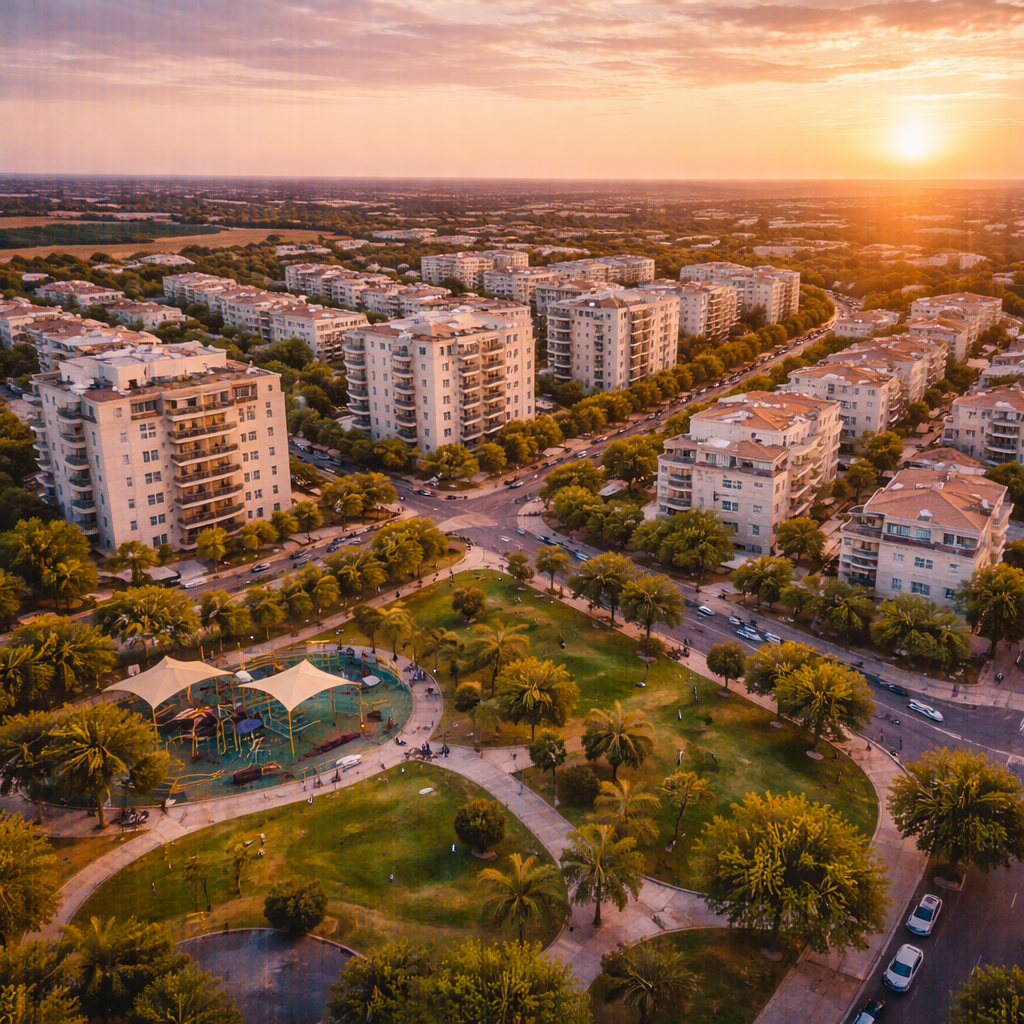
Western Ra'anana| Anglo Community
Western Ra’anana unfolds in a different register from the prestigious Park Area, offering a more accessible entry point into this sought-after city while maintaining the essential qualities that draw English-speaking families to Ra’anana in the first place. This is where practicality meets aspiration, where young families just starting out find their footing, and where the realities of Israeli real estate prices force many immigrants to recalibrate their expectations while still achieving a quality of life that makes the compromises worthwhile. The neighborhoods here stretch toward the western edge of the city, away from the central amenities and commercial heart, creating residential pockets that feel quieter and more removed from the urban bustle.
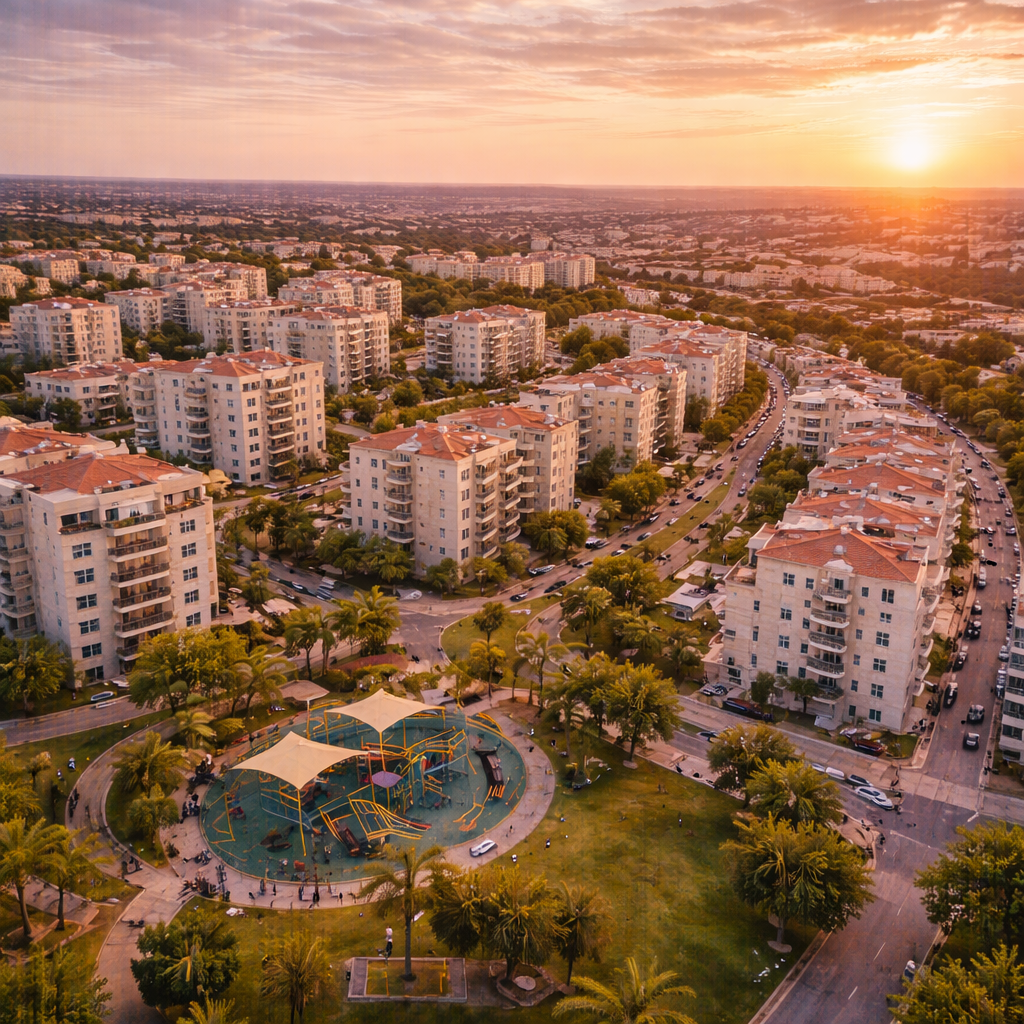
Tzafon Mizrach| Anglo Community
Tzafon Mizrach, which translates literally as North East, occupies a fascinating position in Tel Aviv’s urban landscape and in the imagination of those seeking to make their home in the city. Unlike Neve Tzedek with its historic charm or the Old North with its established Anglo community, Tzafon Mizrach represents something more fluid and harder to pin down, a neighborhood that has been steadily transforming over the past two decades from a somewhat neglected area into one of Tel Aviv’s more desirable addresses, particularly for young professionals and families who want to be close to the center of things without quite being in the thick of the city’s most tourist-heavy zones.
The Old North| Anglo Community
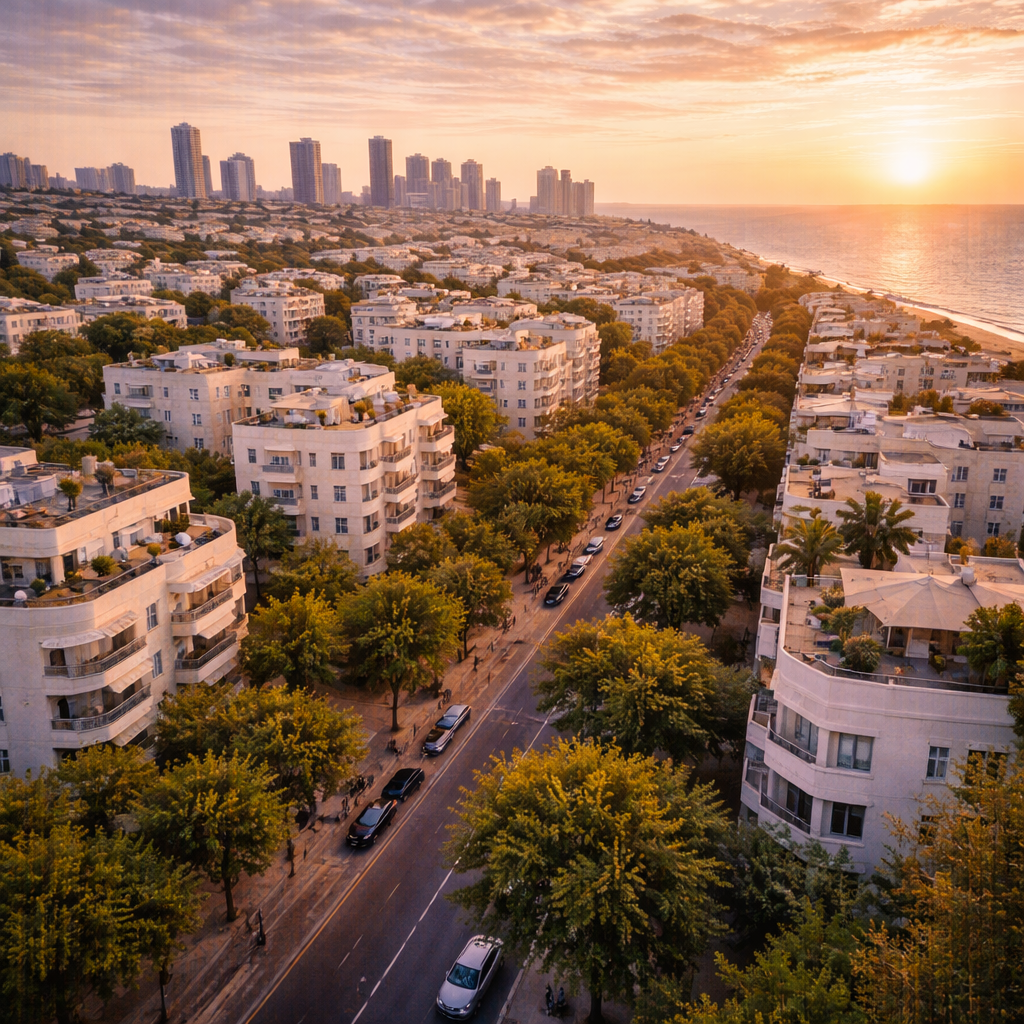
The Old North neighborhood of Tel Aviv, known in Hebrew as Tzafon Yashan, occupies a special place in the city’s geography and in the hearts of its Anglo residents. Stretching along the Mediterranean coast in northern Tel Aviv, this area has become the de facto center of English-speaking life in Israel’s most cosmopolitan city. Unlike the more sprawling Anglo communities found in suburban Ra’anana or the religiously diverse neighborhoods of Jerusalem, the Old North offers something distinctly urban and distinctly Tel Avivi while still maintaining that comfortable familiarity that English speakers crave when making such a monumental life change.
Baka | Anglo Community
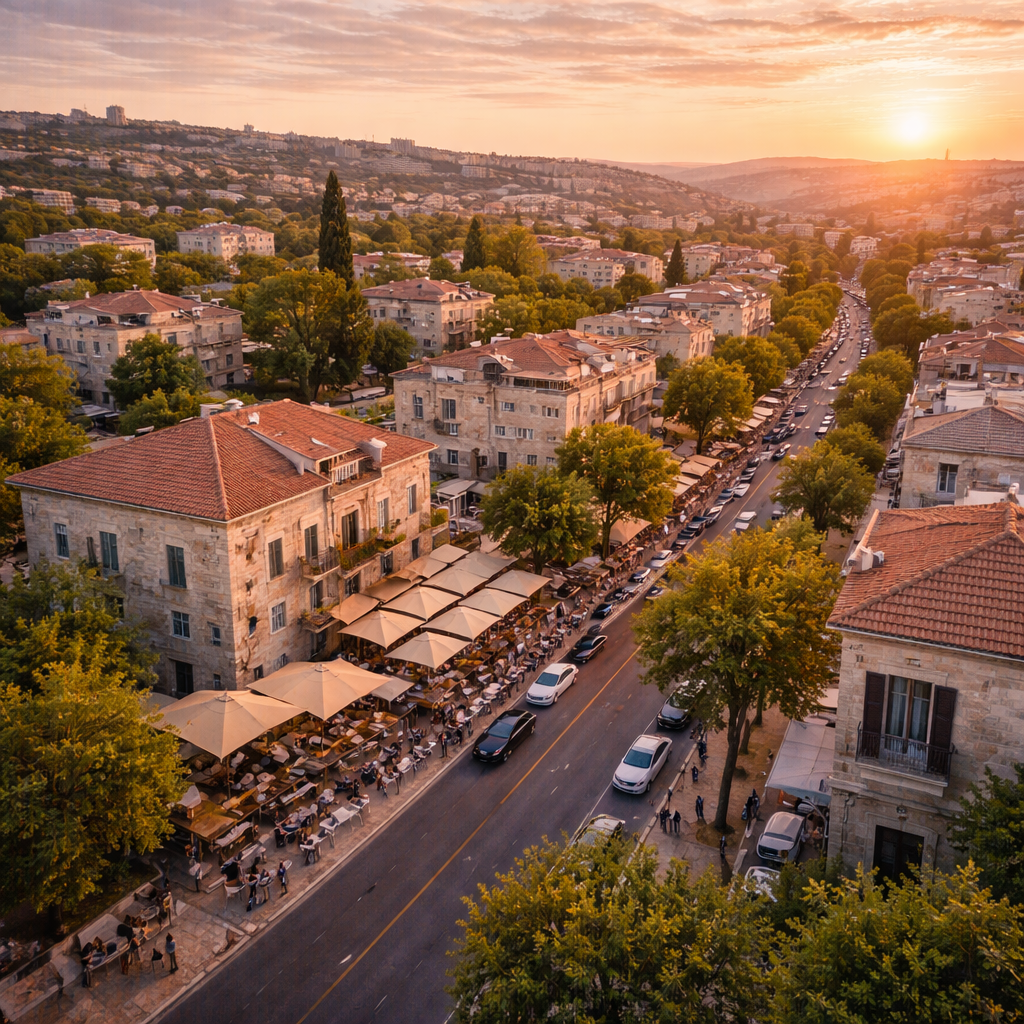
I’d like to tell you about Baka, one of Jerusalem’s most remarkable neighborhoods and perhaps the premier destination for English-speaking immigrants to Israel. Picture a place where ancient Jerusalem stone meets modern cosmopolitan life, where you can hear as much English as Hebrew on the streets, and where the aroma of fresh-baked challah mingles with artisanal coffee from trendy cafés.
Talpiot | Anglo Community
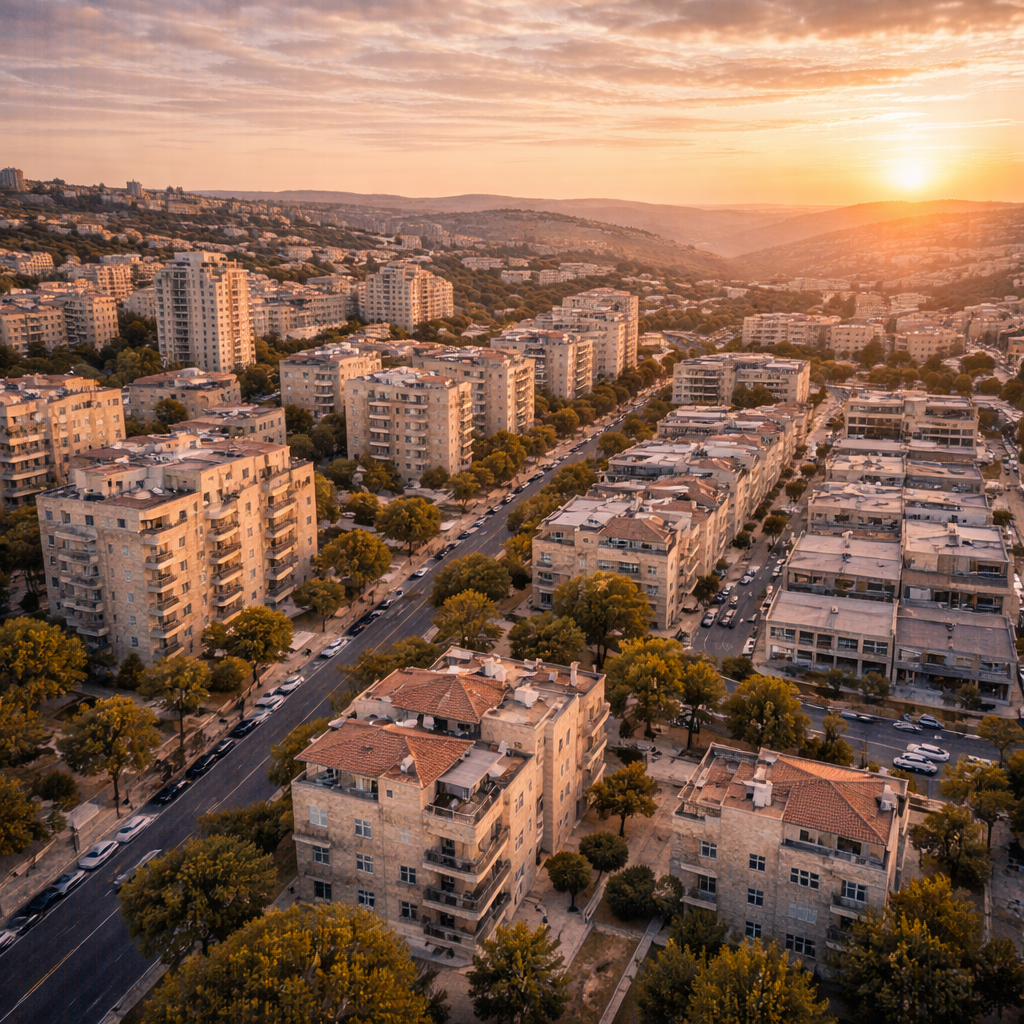
Let me tell you about Talpiot, a neighborhood that represents a completely different vision of Jerusalem from the elegant European sophistication of Rehavia or the gentrified cosmopolitanism of the German Colony. Talpiot is where working Jerusalem lives, where industry meets residence, where you’re as likely to see auto body shops and warehouse stores as cafés and boutiques, and where the gritty reality of making a living in an expensive city takes precedence over architectural aesthetics or intellectual pretensions. If you want to understand how most Jerusalemites actually live, away from the tourist sites and the elite neighborhoods, Talpiot is where you need to go.
Shvatim-Moriah | Anglo Community
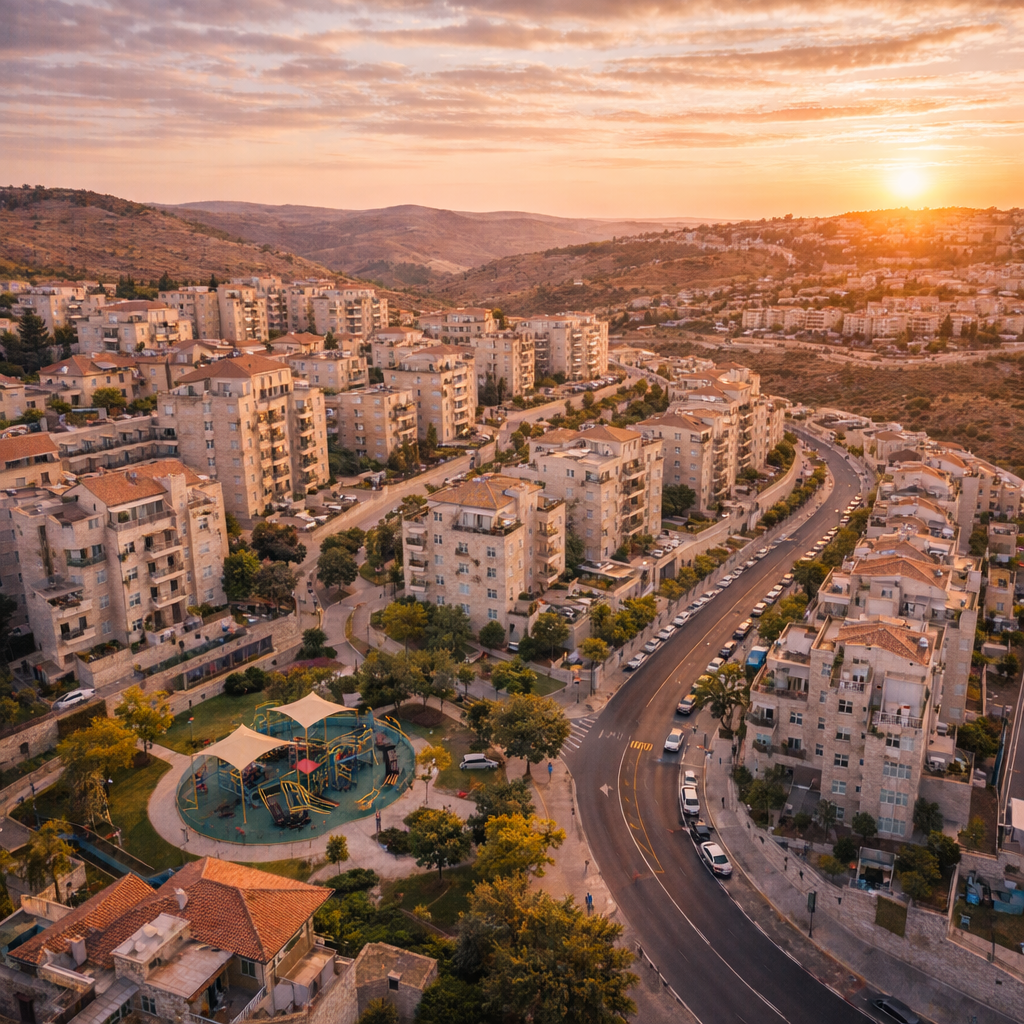
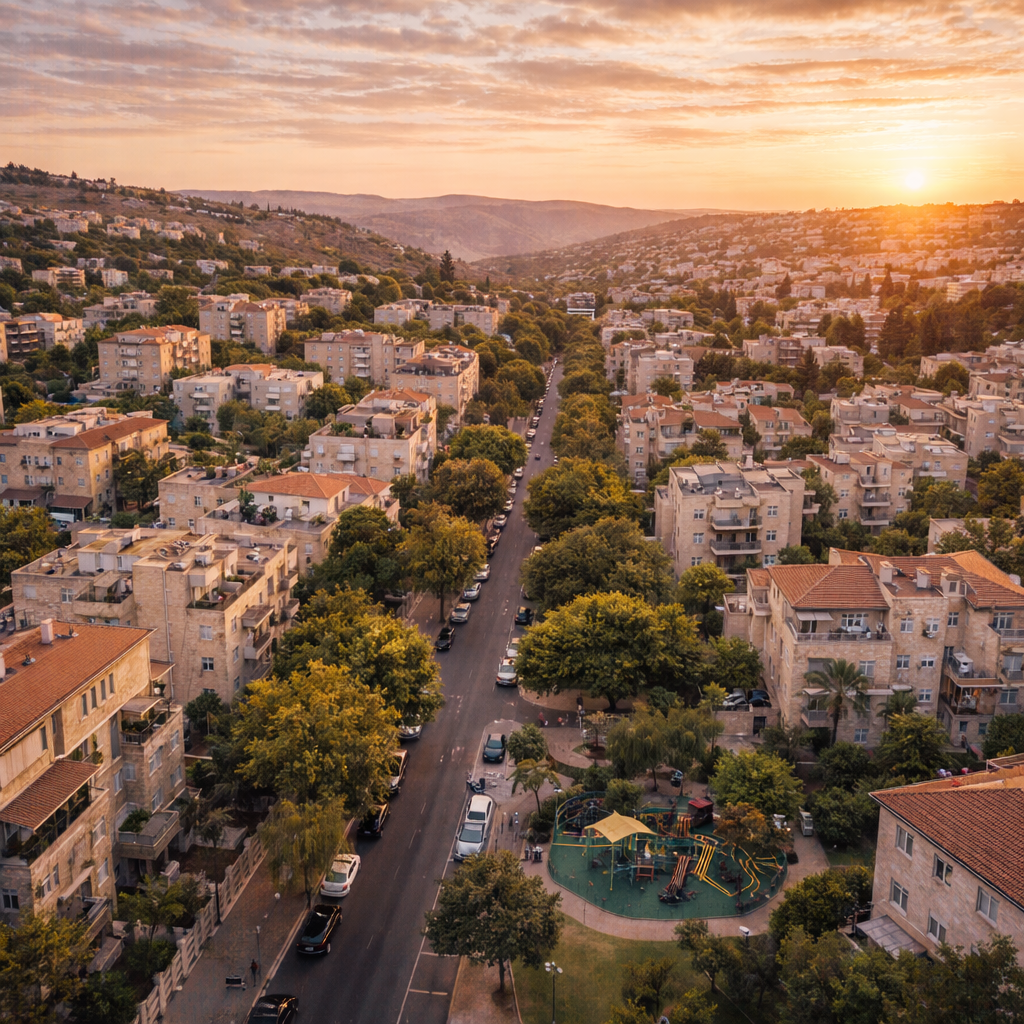
There’s a fascinating quirk about one of Modiin’s most popular Anglo neighborhoods: it has three names, and which one you use tells a story. Officially, it’s two separate neighborhoods—HaShvatim, meaning “The Tribes,” in the north, and Moriah, named after ancient Jewish women and the biblical mount, in the south. Colloquially, Israelis and long-time residents call it “Buchman,” after the architect who planned it. But increasingly, especially among newer Anglo olim, you’ll hear people distinguish between them: “We’re in Shvatim,” they’ll say, or “We’re looking in Moriah.” But here’s what’s interesting: despite the technical distinctions, this area functions as one integrated neighborhood. When people talk about “Buchman,” they’re usually referring to this southern section of Modiin where Shvatim and Moriah blend together—where the Anglo presence is strongest, where the commercial infrastructure is most developed, and where thousands of English-speaking families have built their Israeli lives. Today, we’re going to explore Shvatim-Moriah in depth—understanding its unique character, discovering what makes it tick, and helping you decide whether this might be the right place for your own aliyah journey.
Sheinfeld | Anglo Community
In the early 1990s, when Beit Shemesh was still a sleepy development town of less than thirty thousand people, mostly Sephardic families from North Africa with limited economic opportunities, something remarkable happened that would transform not just one neighborhood but the entire trajectory of Anglo aliyah to Israel. A real estate agent named Shelly Levine approached a developer named Arie Sheinfeld with an innovative proposal: to build a neighborhood specifically targeting the English-speaking market. The idea was revolutionary for its time, creating what would become known as an “Anglo” community where religious Zionist families from America, Great Britain, Australia, and South Africa could have an easier absorption among a larger Israeli population. That neighborhood, named after its builder, became Sheinfeld, and it would go on to become one of the most successful and influential Anglo communities in Israel, the pioneer that proved the concept could work and paved the way for the massive Anglo expansion into Beit Shemesh that followed.
Rehavia | Anglo Community
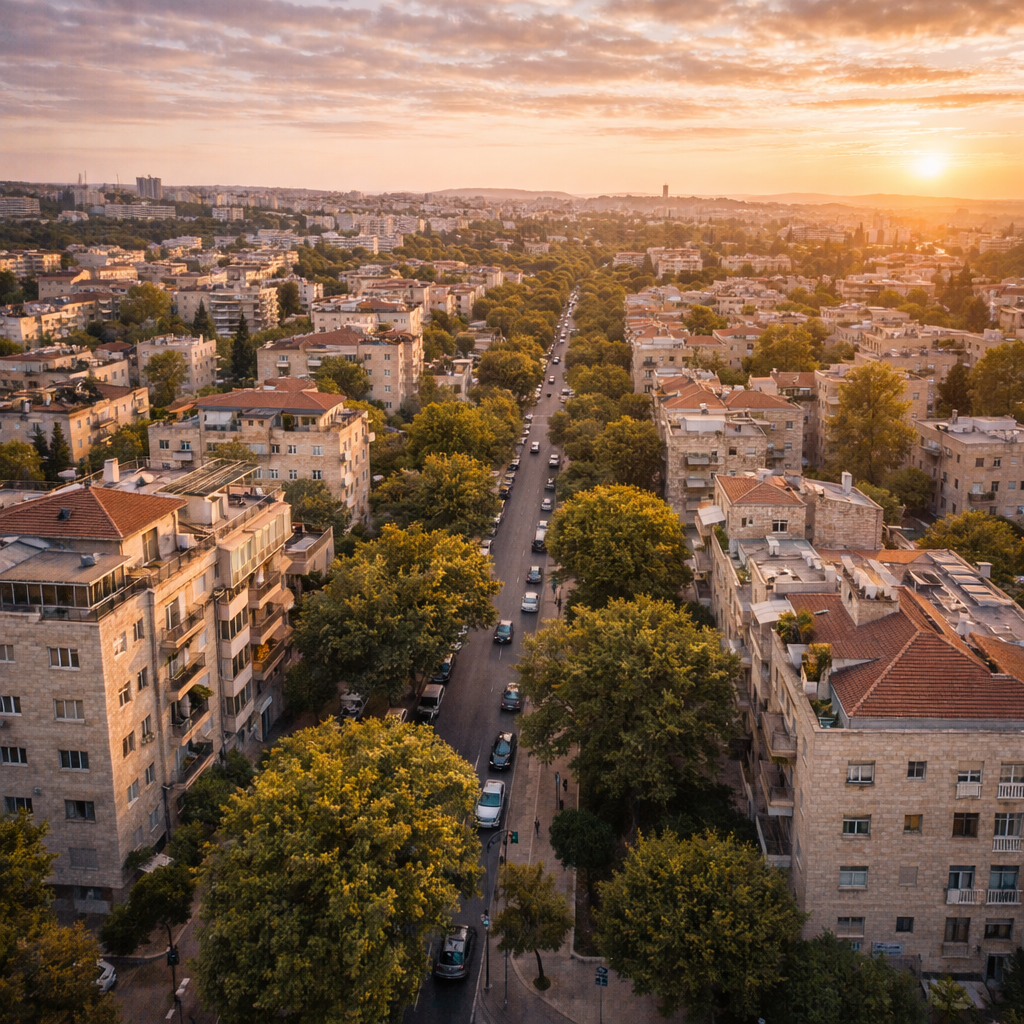
Let me tell you about Rehavia, a neighborhood that represents something truly unique in Jerusalem and indeed in all of Israel: a place where intellectual achievement is valued above wealth, where architectural restraint is prized over ostentation, where Hebrew University professors have lived for generations alongside Supreme Court justices and Nobel Prize winners, and where the ideals of European liberal humanism found their most refined expression in the heart of the Jewish homeland.
Ramat Tzvi | Anglo Community
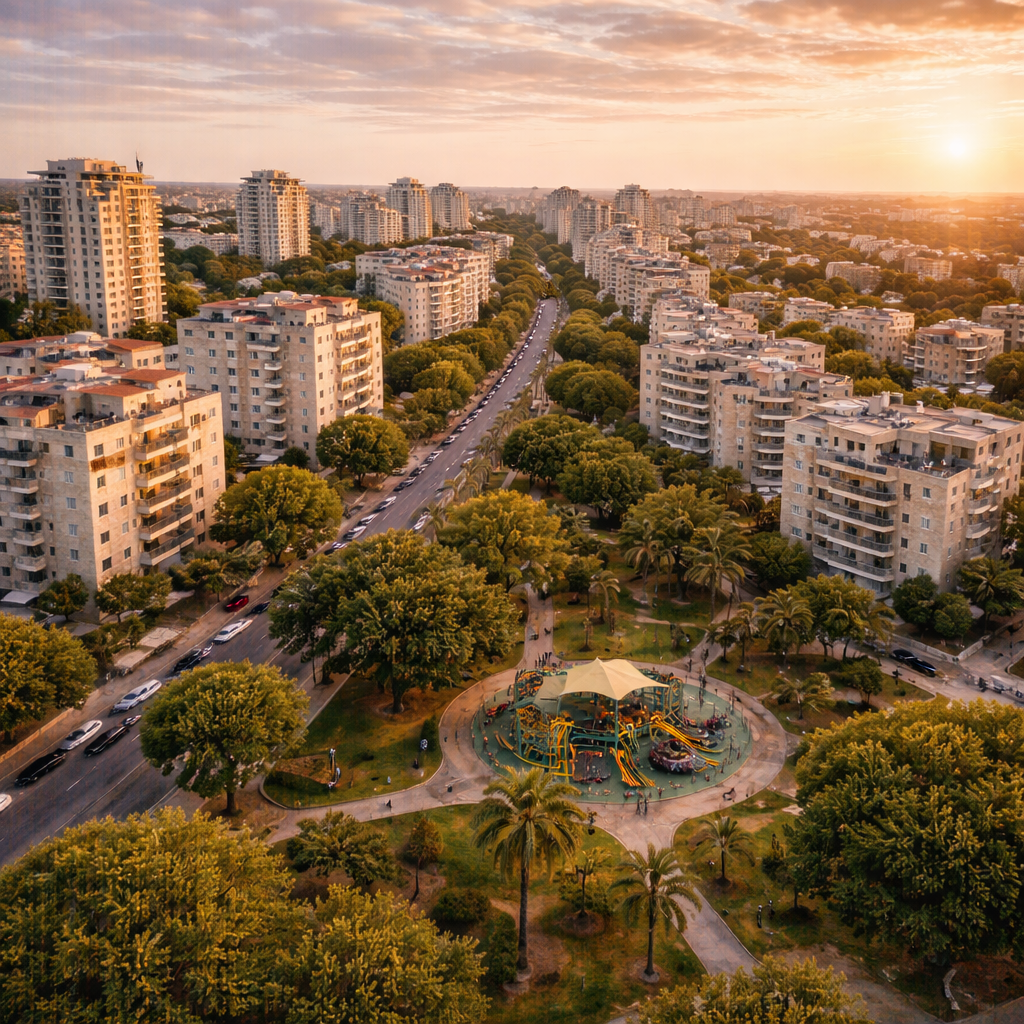
When you navigate through Zichron Yaakov, following the roundabouts that mark transitions from one section of town to another, you’ll encounter signs pointing toward Ramat Tzvi and the adjacent Mul HaYekev area. The roundabout that marks this turn is known locally as Charenton le Pont Square, a curiously French name that hints at Zichron’s historical connections to Baron Rothschild’s France. Ramat Tzvi sits close to the center of the Moshava, within walking distance of the Pisgat Zichron shopping center and the commercial heart of this historic wine country town, yet it maintains a distinct character that sets it apart from both the tourist-oriented pedestrian mall and the more secular neighborhoods that define much of Zichron’s identity.
Ramat Poleg | Anglo Community
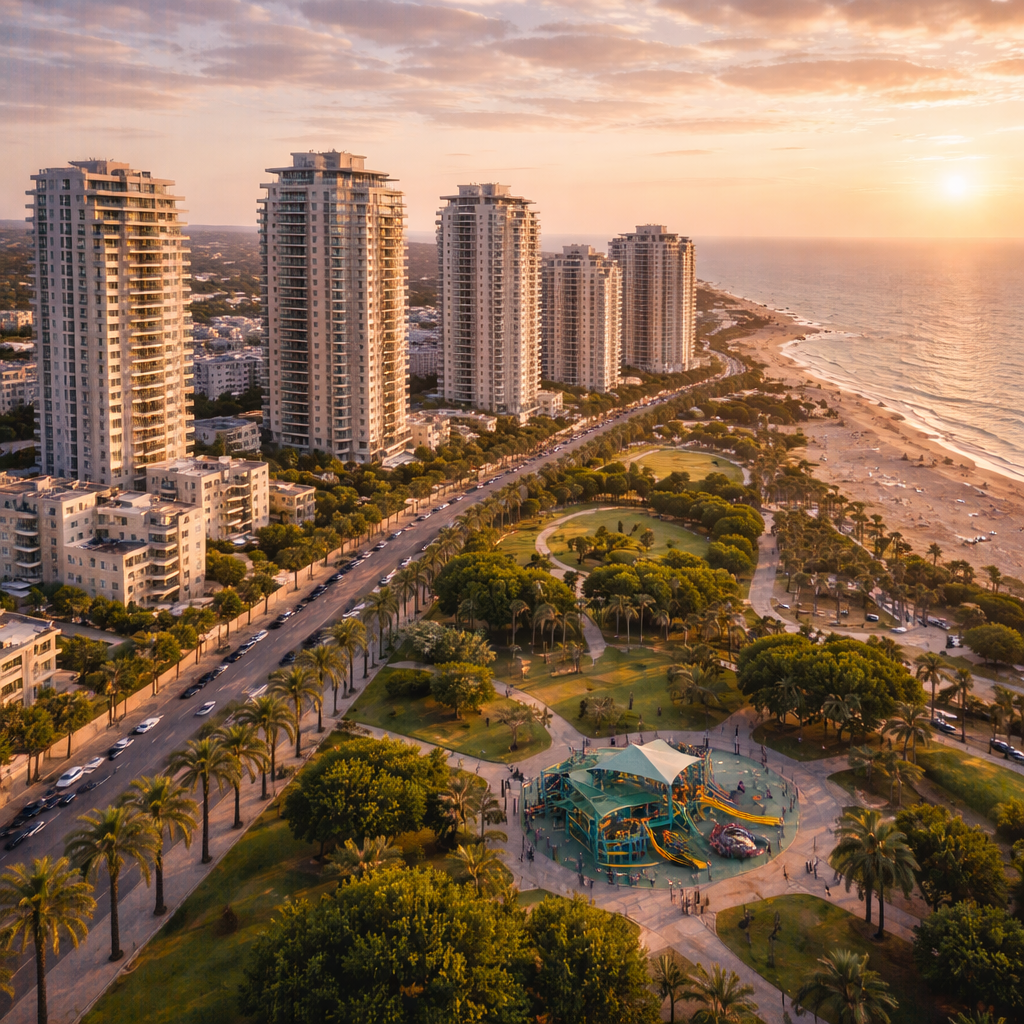
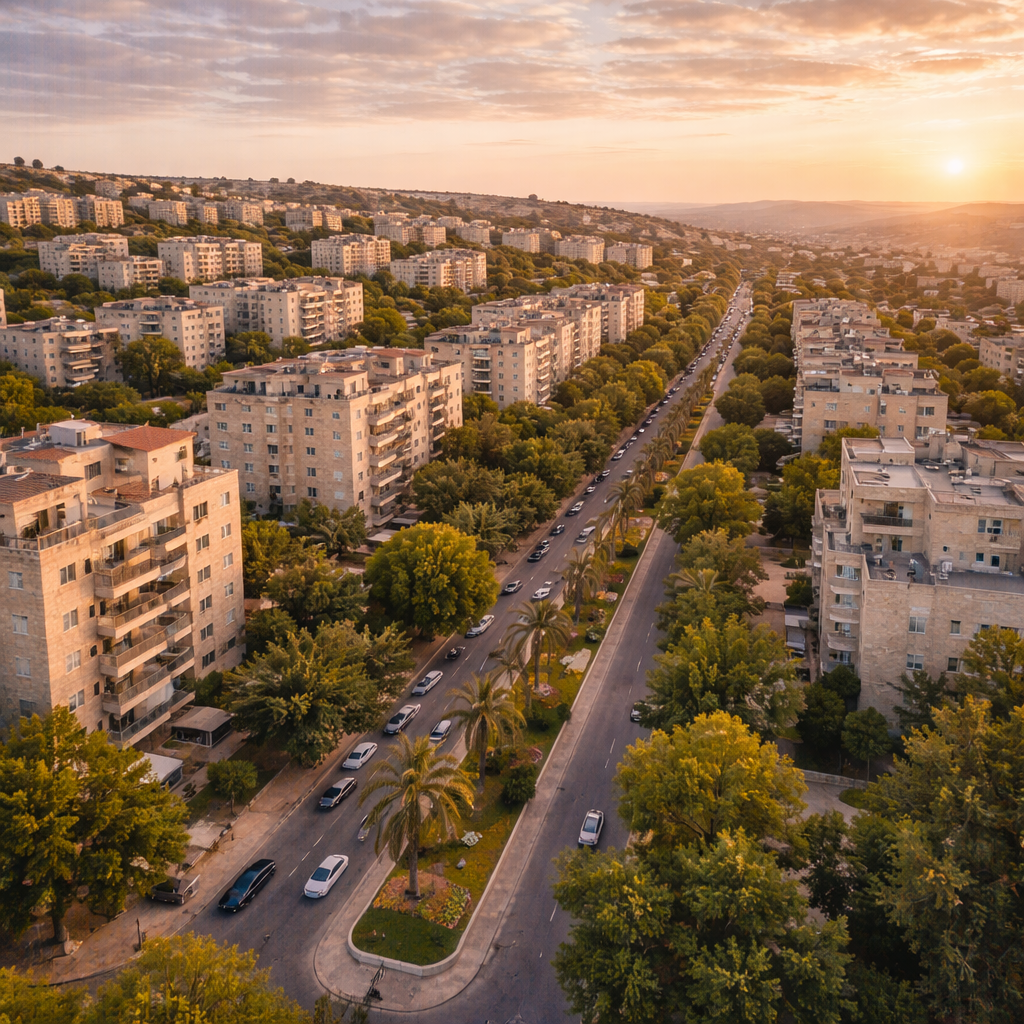
There’s something distinctly different about Ramat Poleg that you notice immediately when you drive through its tree-lined streets. While newer neighborhoods like Ir Yamim announce themselves with soaring glass towers and modern architectural statements, Ramat Poleg feels more settled, more rooted, more like a place that’s been home to families for decades rather than years. And that’s exactly what it is. This neighborhood in southern Netanya, built primarily in the late nineteen seventies, represents a different era of Israeli development and a different approach to coastal living. It’s not trying to be flashy or trendy. It’s simply being what it’s always been: one of the most prestigious and sought-after addresses in the entire Sharon region.
Ramat Eshkol | Anglo Community
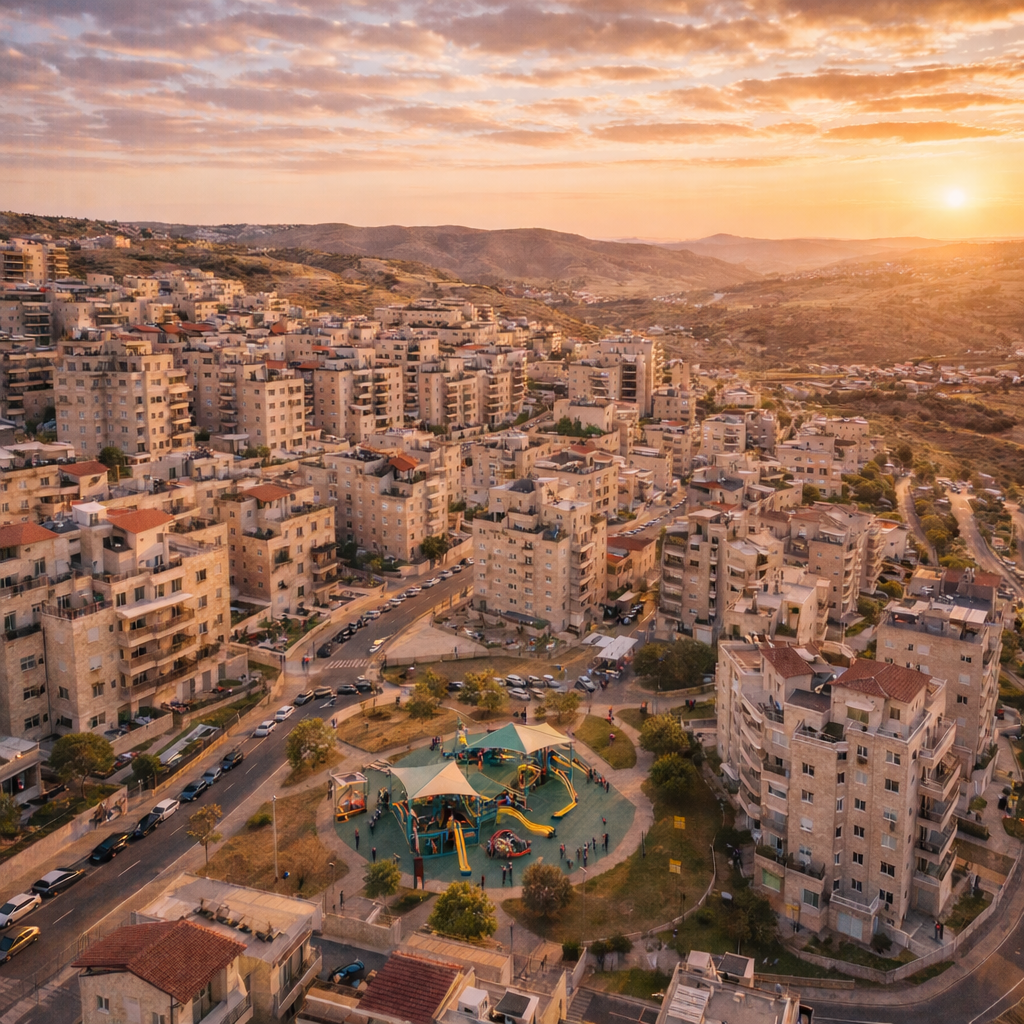
Let me tell you about Ramat Eshkol, a neighborhood that represents a pivotal moment in Jerusalem’s history and embodies the complex realities of the city’s contested status in ways that few other neighborhoods do. Ramat Eshkol sits in northern Jerusalem, built on land that was no-man’s land and Jordanian territory before the Six-Day War of nineteen sixty-seven, making it one of the first Jewish neighborhoods established in what had been the eastern, Jordanian-controlled part of the divided city. To understand Ramat Eshkol is to understand how Jerusalem transformed from a divided city into the united capital that Israel claims today, and how the demographics, politics, and daily realities of that unification continue to shape life in this neighborhood.
Ramat Beith Shemesh | Anglo Community
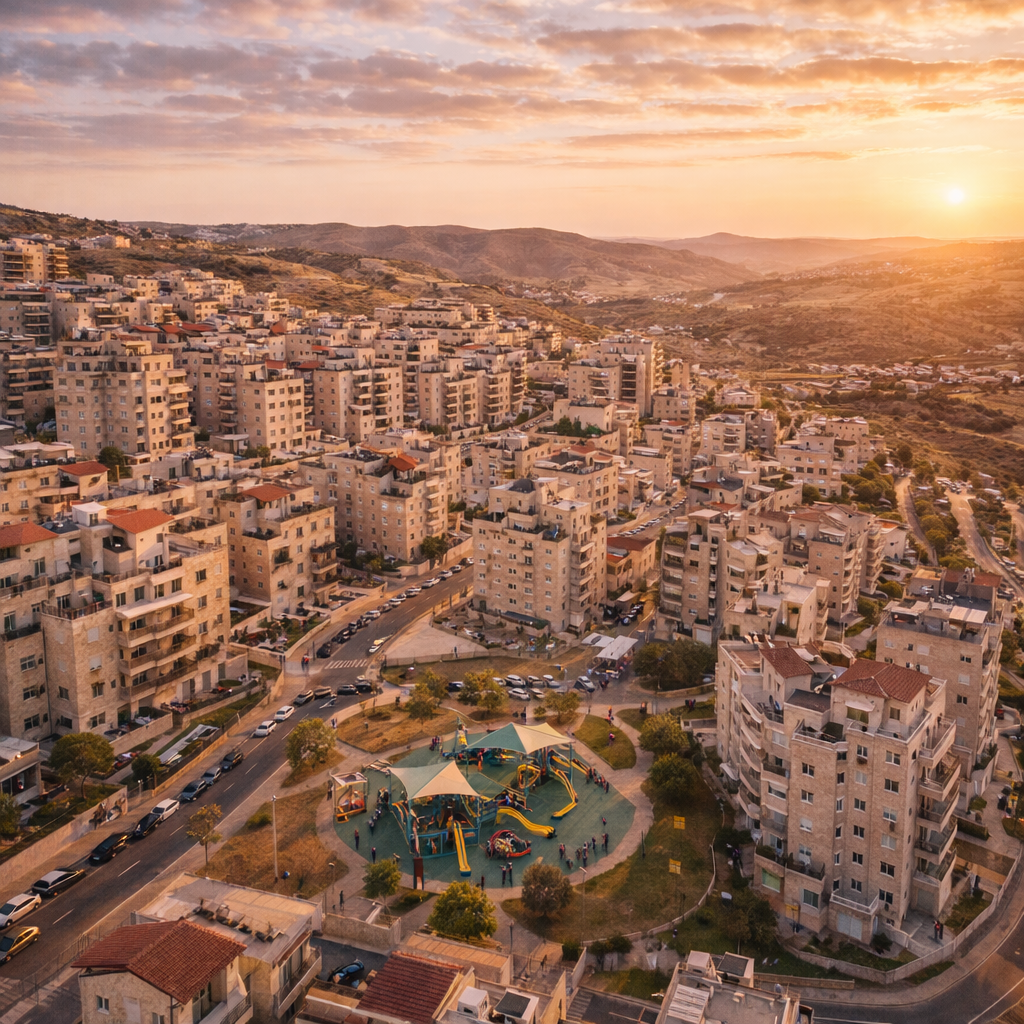
I want to give you a really honest picture of what it’s like living in Ramat Beit Shemesh as an English-speaking immigrant, because this place is complicated in ways that surprise a lot of people.
Ramat Beith Shemesh Gimmel | Anglo Community
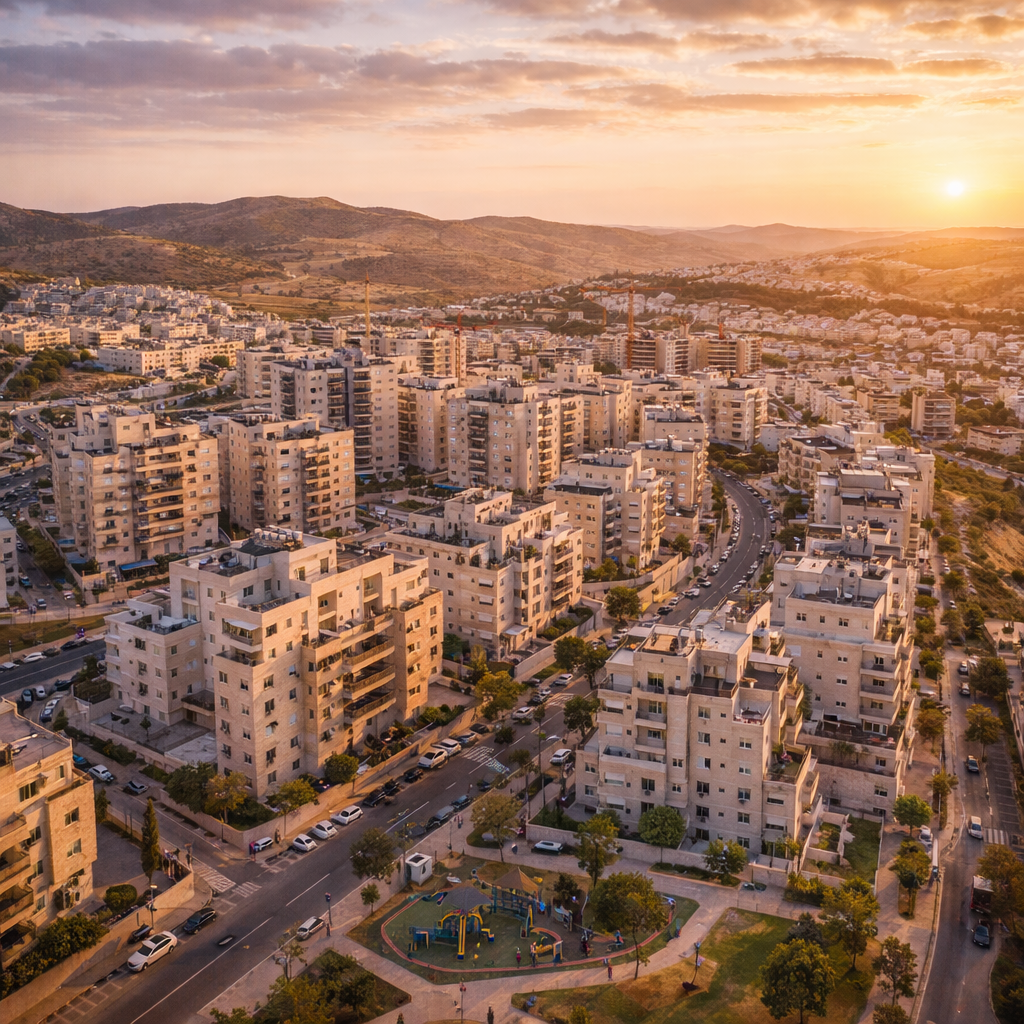
When you stand at the edge of Ramat Beit Shemesh Aleph and look south, the landscape opens up dramatically. The hillside drops away into the Nachal Yarmut Park, a beautiful green valley, and beyond that you can see the newer neighborhoods rising on the opposite slopes. This is Ramat Beit Shemesh Gimmel, one of the youngest and fastest-growing neighborhoods in Israel’s rapidly expanding Haredi world, a community that barely existed a decade ago but has already become home to thousands of families seeking a blend of modern amenities, suburban spaciousness, and authentic Torah life.
Ramat Beith Shemesh Dalet | Anglo Community
To understand Ramat Beit Shemesh Dalet, you need to stand at the southwestern edge of the city and look out toward the horizon. Beyond the established neighborhoods of Ramat Beit Shemesh Aleph and Gimmel, past the valleys and hills that have defined this landscape for millennia, a massive construction project is taking shape. This is Ramat Beit Shemesh Dalet, the newest and most ambitious neighborhood development in one of Israel’s fastest-growing cities, a sprawling ultra-Orthodox community that, when completed, will be home to tens of thousands of families and will fundamentally reshape the demographics and character of Beit Shemesh for generations to come.
Ramat Beith Shemesh Aleph | Anglo Community
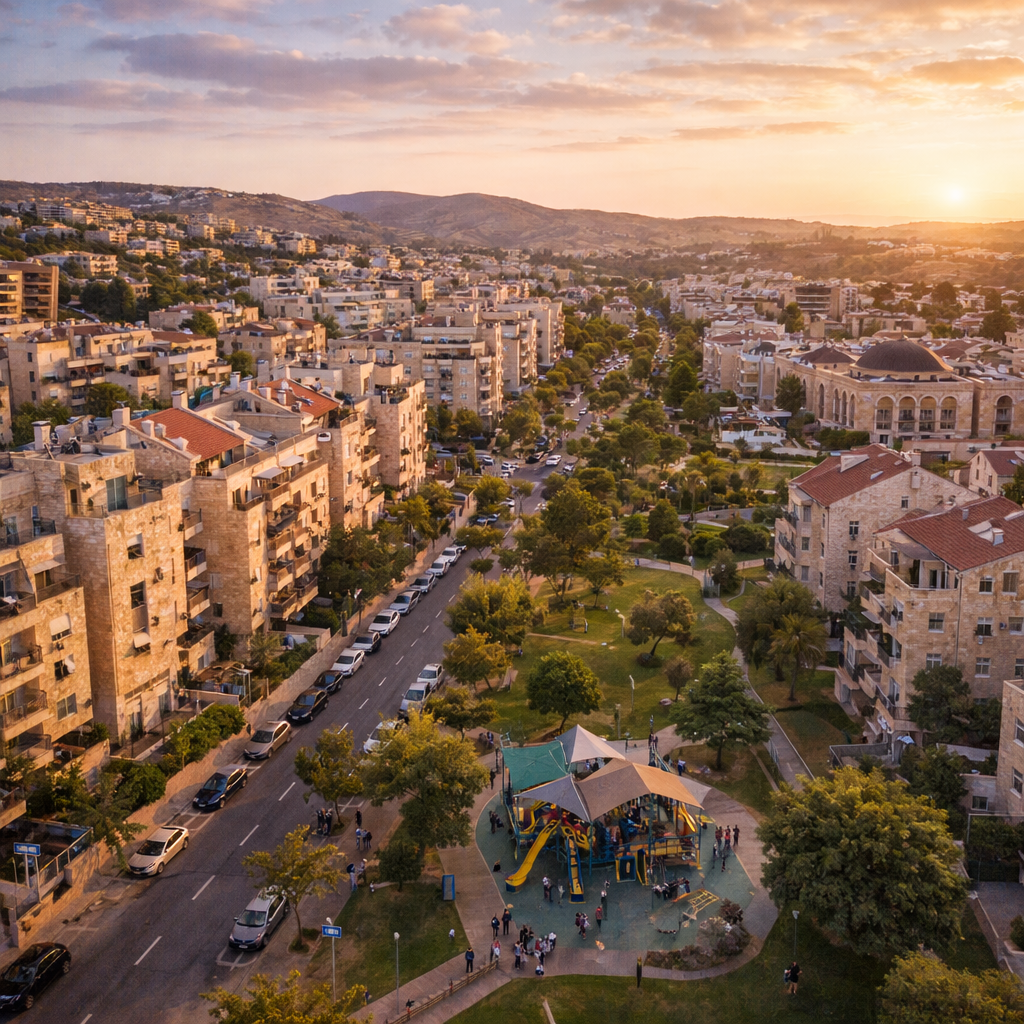
Ramat Beit Shemesh Aleph stands on a hillside overlooking the original town of Beit Shemesh, perched in the beautiful Judean hills about thirty-five kilometers southwest of Jerusalem. When you drive up the winding roads to reach this neighborhood, you’re climbing to what locals affectionately call “the Ramah,” a community that has transformed the landscape of religious Anglo aliyah to Israel over the past twenty-five years.
Ra'anana Park Area | Anglo Community
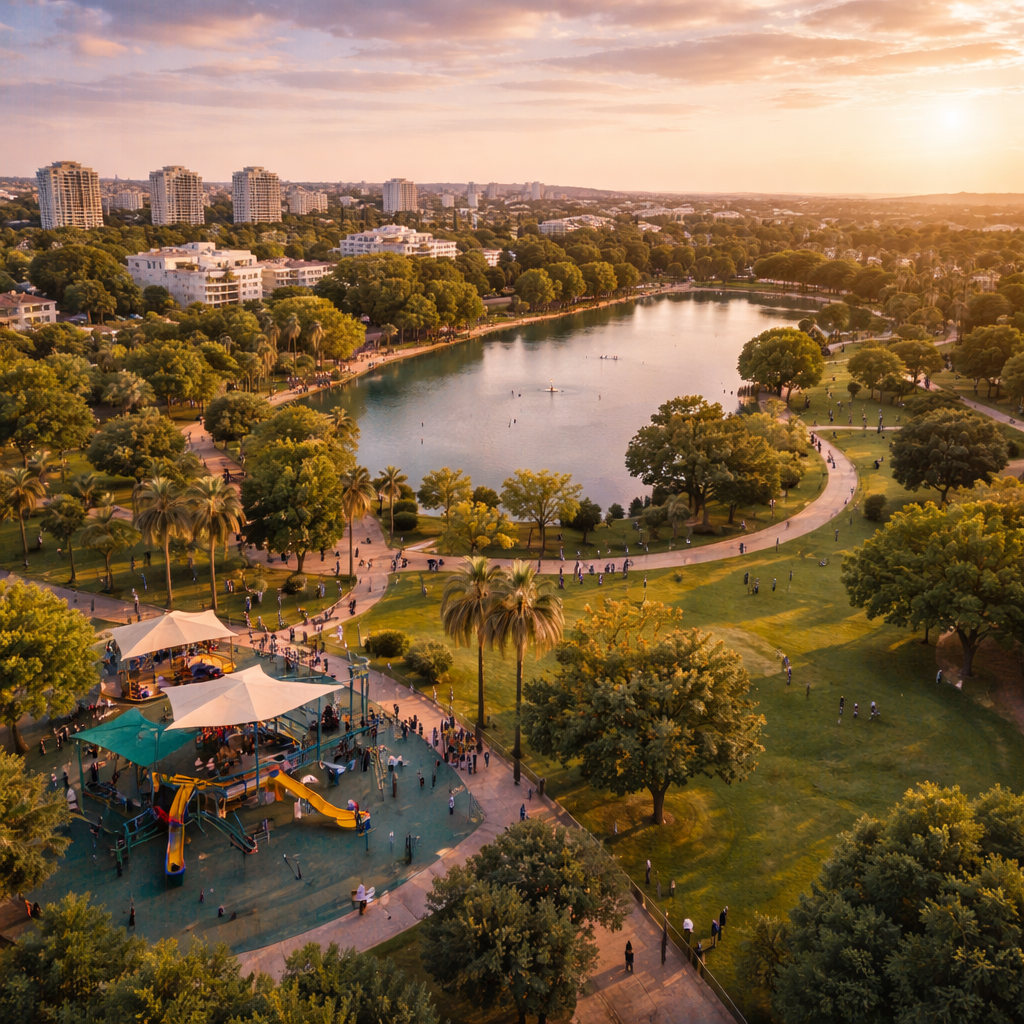
Picture yourself standing at the edge of Ra’anana Park on a Friday afternoon in late spring, when the sun angles through the trees and families are beginning to gather for the weekend. This sixty-acre expanse of green sits at the geographic and social heart of the city, and the neighborhoods that surround it represent some of the most desirable real estate not just in Ra’anana, but in all of central Israel. The Park Area isn’t just a location, it’s a lifestyle statement, a collection of streets where mature trees arch overhead, where the buildings tend to be a bit newer or better maintained, and where the sense of space and tranquility feels almost suburban despite being firmly urban.
Old Katamon | Anglo Community
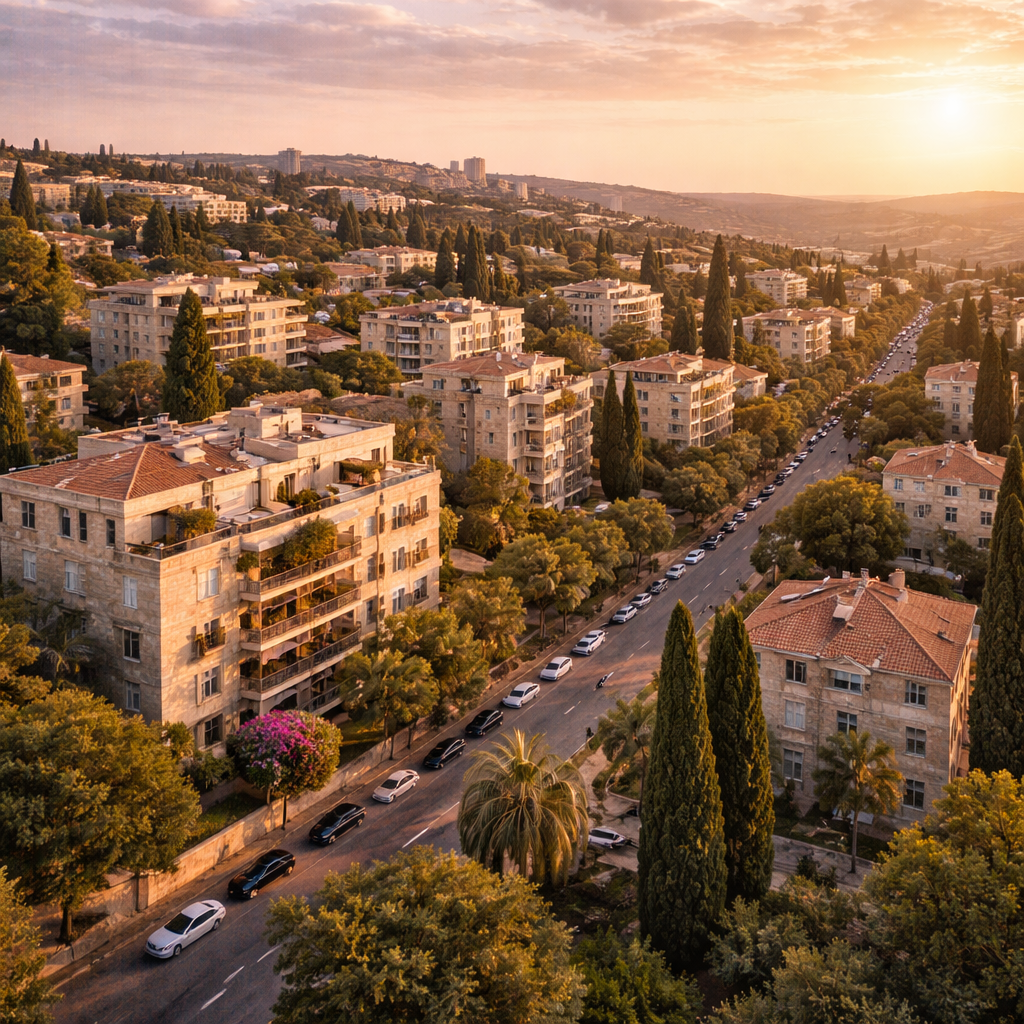
Let me tell you about Old Katamon, a neighborhood that embodies perhaps more intensely than any other in Jerusalem the layered complexity of history, displacement, and transformation that defines this contested city. Old Katamon, or Katamon Tet Vav as it’s sometimes called in Hebrew, sits just south of the main Katamon area, extending toward the neighborhoods of Talpiot and Arnona, and walking through its streets is like reading the palimpsest of Jerusalem’s twentieth-century history written in stone and absence, in architectural grandeur and human loss, in what remains and what has been erased.
North Tel Aviv | Anglo Community
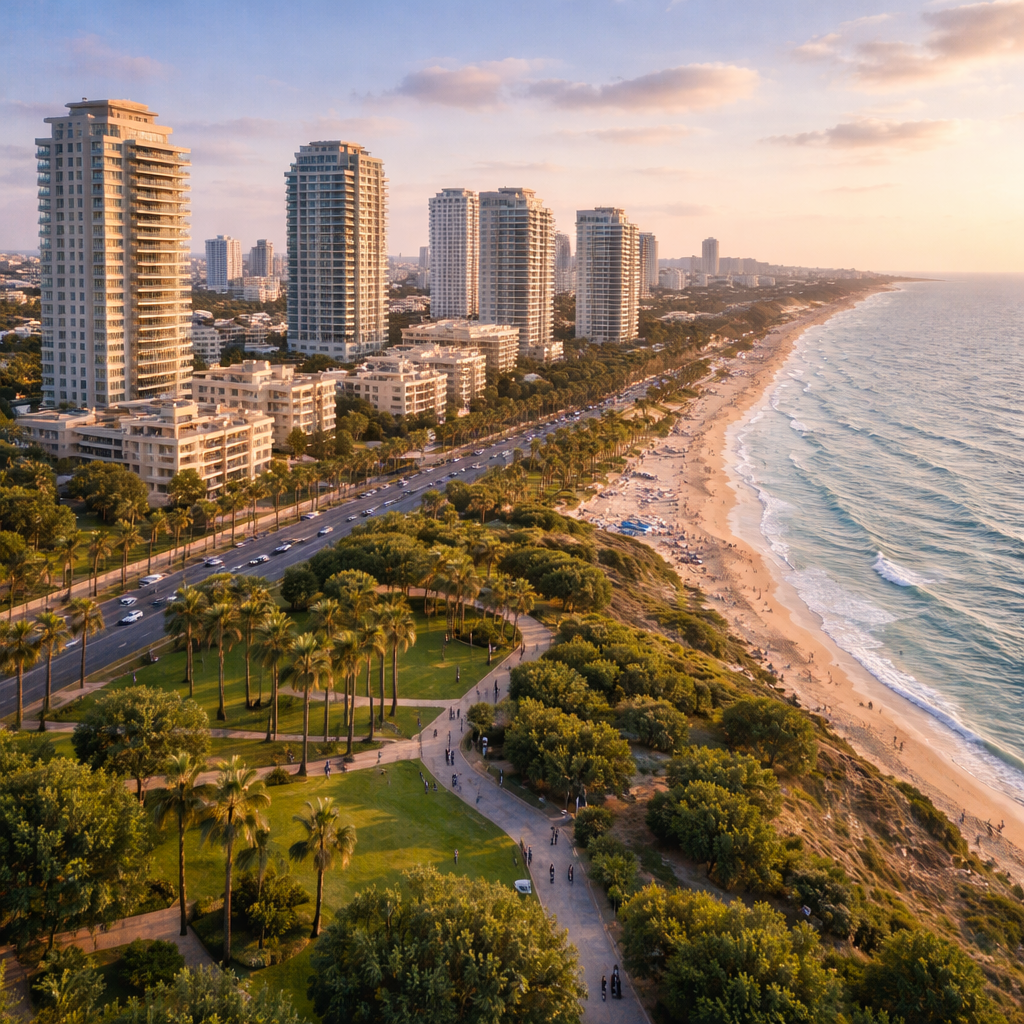
North Tel Aviv represents a different proposition entirely from the more concentrated Anglo enclave of the Old North, spreading across a broader swath of the city’s northern reaches and encompassing multiple neighborhoods with varying characters, price points, and demographics. When Israelis or real estate agents talk about North Tel Aviv, they’re generally referring to everything from the Yarkon River northward to the Tel Aviv-Ramat Aviv border, a zone that includes some of the city’s most desirable and expensive real estate alongside pockets that remain relatively more accessible. For English-speaking immigrants, North Tel Aviv offers a dispersed but growing community of professionals and academics who have chosen this part of the city for its quality of life, green spaces, and proximity to both the beach and major employment centers.