The Old North| Anglo Community
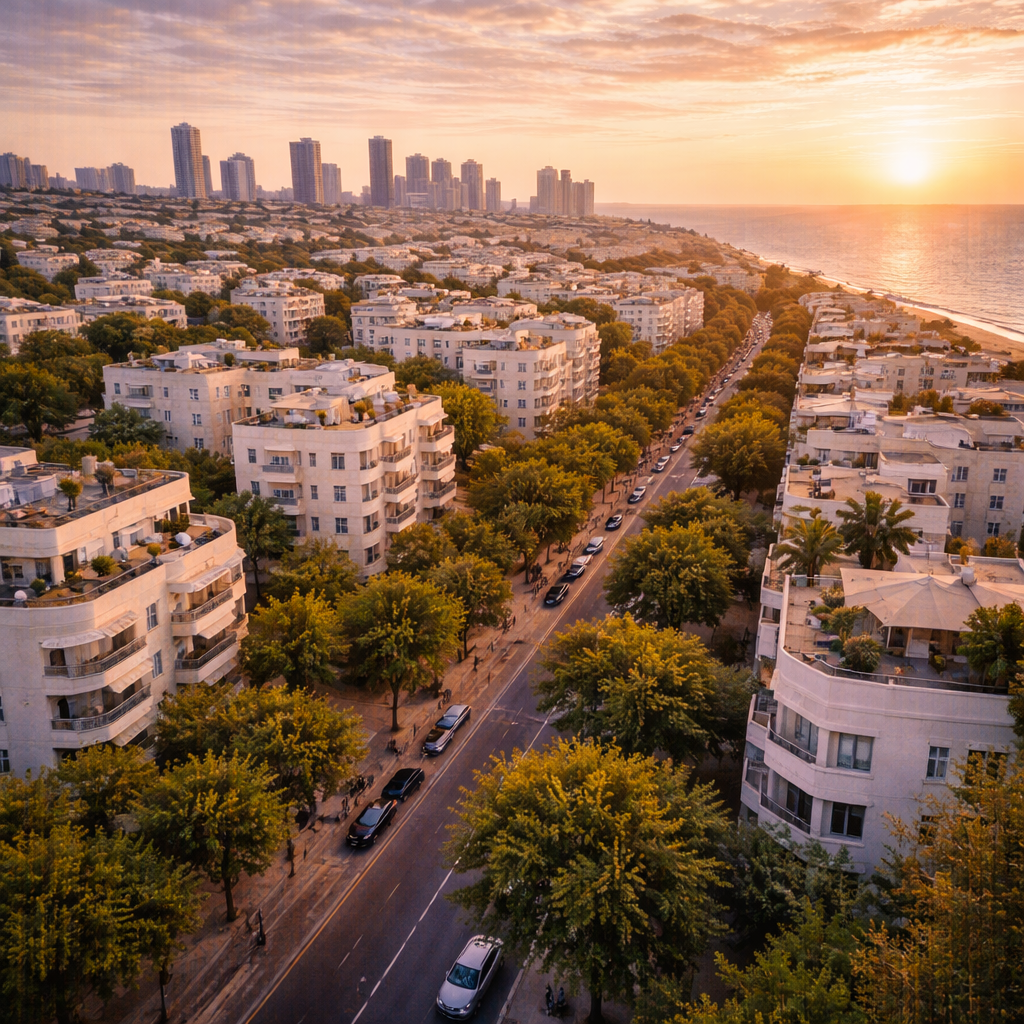
The Old North neighborhood of Tel Aviv, known in Hebrew as Tzafon Yashan, occupies a special place in the city’s geography and in the hearts of its Anglo residents. Stretching along the Mediterranean coast in northern Tel Aviv, this area has become the de facto center of English-speaking life in Israel’s most cosmopolitan city. Unlike the more sprawling Anglo communities found in suburban Ra’anana or the religiously diverse neighborhoods of Jerusalem, the Old North offers something distinctly urban and distinctly Tel Avivi while still maintaining that comfortable familiarity that English speakers crave when making such a monumental life change.
The neighborhood’s appeal begins with its location. Sitting adjacent to the Tel Aviv Port, locally known as Namal Tel Aviv, residents enjoy immediate access to one of the city’s most popular recreational areas. The port itself was transformed in the early two thousand when the old industrial shipping facility was converted into a pedestrian promenade lined with restaurants, cafes, and bars. On any given evening, you’ll find locals and tourists alike strolling along the wooden boardwalk, watching the sunset over the Mediterranean, or settling in for dinner at one of the many eateries that offer everything from fresh fish to Asian fusion. This proximity to the water gives the Old North a particular kind of energy, where the urban pulse of Tel Aviv meets the more relaxed, beachy vibe that defines so much of Israeli coastal culture.
Just inland from the port lies Park HaYarkon, Tel Aviv’s answer to Central Park. This massive green space runs along the Yarkon River and provides residents of the Old North with an invaluable escape from the concrete and traffic that characterize much of the city. Early mornings see joggers and cyclists taking advantage of the park’s paths, while weekends bring families with picnics, paddle boats on the river, and the occasional outdoor concert or festival. For Anglo families with children, this park becomes an essential part of daily life, a place where kids can run free and parents can grab a coffee from one of the nearby cafes while watching them play.
The streets of the Old North themselves reflect a particular period of Tel Aviv’s development. Much of the neighborhood was built in the nineteen fifties and sixties, and the architecture shows it. You’ll find modest four and five story apartment buildings, many of them showing their age with cracked stucco and weathered balconies, interspersed with occasional newer constructions that fetch premium prices. The buildings typically lack elevators, which means ground floor apartments command higher rents, and many units retain their original terrazzo floors and small, segmented rooms that reflect a different era of urban planning. Yet this older housing stock is precisely what gives the neighborhood its character and, frankly, makes it slightly more affordable than some of Tel Aviv’s shinier, newer developments, though affordable is a relative term in a city where housing costs rival those of New York or London.
What truly sets the Old North apart for English speakers is the community infrastructure that has developed organically over decades. Walk down Basel Street or Ibn Gabirol and you’ll hear American accents mixing with British ones, South Africans chatting with Canadians, all conducting their daily business in a comfortable blend of English and Hebrew. The neighborhood hosts several synagogues that cater to English-speaking congregations, offering not just religious services but also social events, classes, and that crucial sense of community that helps newcomers feel less alone in a foreign country. These aren’t necessarily large, grand synagogues, but rather intimate spaces where everyone knows everyone, where announcements are made in English, and where the communal kiddush after Shabbat morning services becomes a weekly reunion.
The commercial life of the Old North reflects its international character. Supermarkets here stock products that cater to Western tastes alongside local Israeli goods. You’ll find peanut butter brands familiar to Americans, British tea selections, and the kind of breakfast cereals that Israeli-born shoppers might never have heard of. Cafes in the area understand that some customers want their coffee in large American-style cups rather than the tiny espresso shots that dominate local culture. Restaurants range from hummus joints and falafel stands to sushi bars and Italian trattorias, creating a culinary landscape that feels genuinely global while still maintaining that essential Israeli edge.
For families, the Old North offers reasonable access to schools, though this can be one of the more complicated aspects of life for Anglo immigrants. Some families opt for the local public schools, where their children will be immersed in Hebrew and Israeli culture, benefiting from the language acquisition that comes naturally to young minds but also facing the challenges of integration. Others choose private or semi-private schools that offer more English language support or international curricula, though these options typically require commuting to other parts of the city and come with hefty price tags. The neighborhood itself has parks and playgrounds scattered throughout, and you’ll often hear children playing in multiple languages, a reminder that Tel Aviv’s diversity extends far beyond just Anglos.
The lifestyle in the Old North mirrors Tel Aviv’s broader character, which is to say it skews secular, liberal, and very much focused on the present moment. This is not a neighborhood where you’ll find the intense religiosity of certain Jerusalem communities or even the more traditional observance you might encounter in other parts of Israel. Shabbat is observed by some and ignored by others. Restaurants and cafes remain open on Saturday, buses don’t run but electric scooters do, and the general atmosphere is one of live and let live. For Anglo immigrants coming from places like New York or London, this secular, cosmopolitan environment can feel comfortably familiar, though it may disappoint those seeking a more traditionally Jewish lifestyle.
Living in the Old North means embracing the realities of Tel Aviv’s urban life. The streets can be noisy, especially on weekend nights when the bars and clubs near the port get crowded. Parking is a constant challenge, with residents circling their blocks endlessly searching for spots or paying premium rates for monthly parking arrangements. The beach, while gloriously close, becomes almost unbearably crowded during summer weekends. Grocery stores feel cramped compared to American supermarkets, and the general cost of living requires adjustment, particularly for those not earning in shekels or supported by tech industry salaries.
Yet despite these challenges, or perhaps because of them, the Old North has cultivated a unique community of Anglo immigrants who have chosen urban Israeli life over suburban comfort. These are often younger professionals working in Tel Aviv’s booming tech sector, creatives drawn to the city’s cultural scene, or simply people who wanted to live in Israel without sacrificing the urban amenities they were accustomed to in their countries of origin. They gather for Friday night dinners, sharing recommendations about English-speaking doctors or the best places to buy specific imported foods. They form WhatsApp groups to coordinate beach meetups or share information about navigating Israeli bureaucracy. They support each other through the ups and downs of immigration, celebrating milestones and commiserating over frustrations in a language that feels like home even when they’re thousands of miles from where they started.