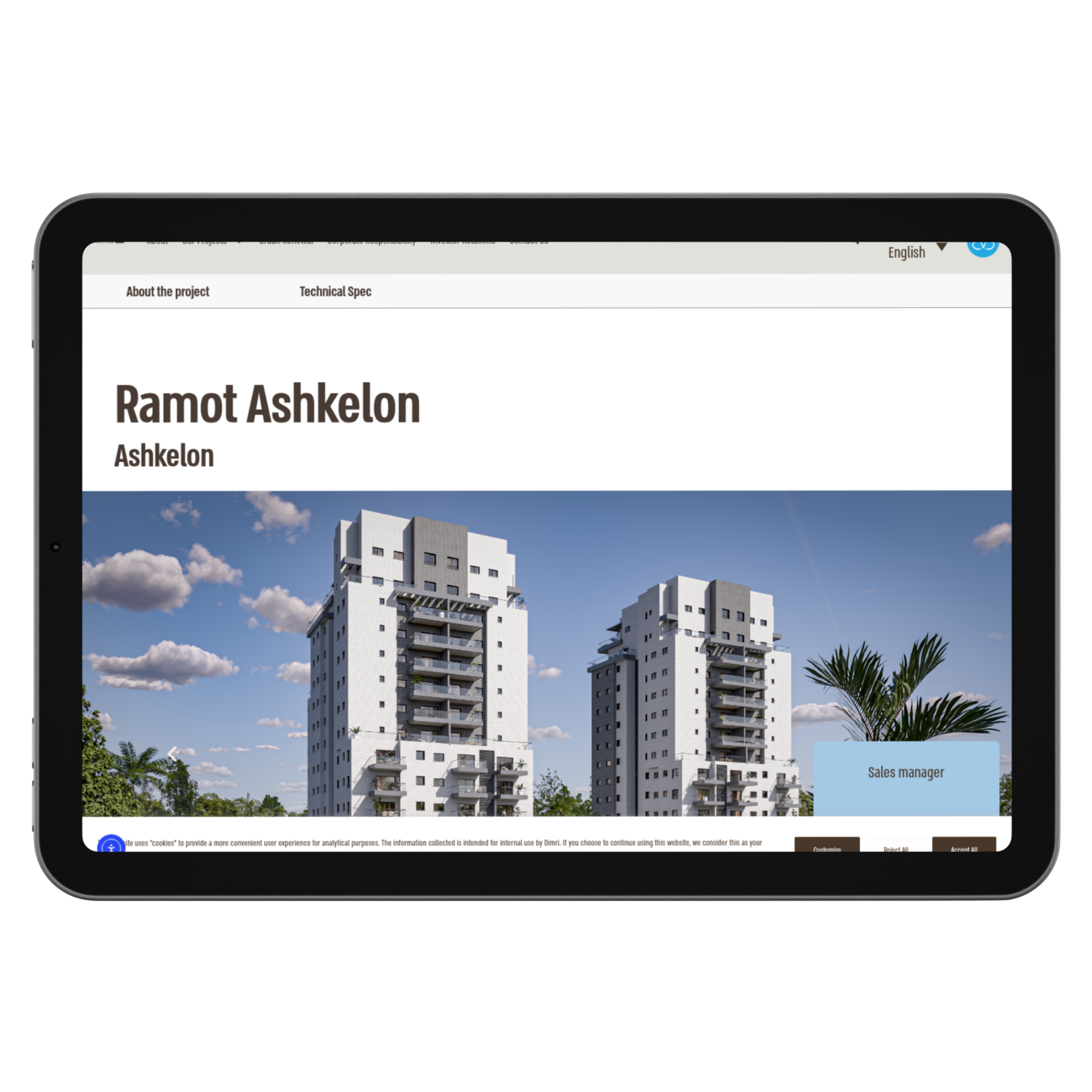
Ramot Ashkelon | Ashkelon
A new residential development by Y.H. Dimri, coming soon to Ashkelon. Ramot Ashkelon is currently in its pre-marketing phase, with full details to be announced shortly.
Be among the first to receive updates on pricing, apartment types, and availability. Register your interest today and get exclusive early access before the official launch.
Shikun & Binui: Israel's Oldest and Largest Housing Developer — Everything You Need to Know
When you talk about residential construction in Israel, one name towers above the rest — both figuratively and literally. Shikun & Binui (Hebrew: שיכון ובינוי, meaning "Housing and Construction") is the country's oldest and largest real estate developer, with roots stretching all the way back to 1924, during the British Mandate era. Over the course of nearly a century, this company has built more than 190,000 housing units across Israel, providing homes for over one million people.

Ashtrom Group & Ashdar: Israel's Construction Powerhouse With 123,000+ Homes Built
Few names carry as much weight in Israel's construction landscape as the Ashtrom Group. Founded in 1963, this publicly traded conglomerate has spent over six decades building the physical fabric of the nation — from luxury residential towers in Tel Aviv to national infrastructure projects, industrial facilities, and renewable energy installations. Through its residential arm, Ashtrom Residences (formerly known as Ashdar Building Company), the group has completed more than 123,000 housing units, 1.8 million square meters of commercial and office buildings, and 2 million square meters of industrial and employment facilities.

Y.H. Dimri Construction & Development: From Small Negev Contractor to Israel's #1 Residential Builder
In the world of Israeli real estate, few stories are as inspiring as that of Y.H. Dimri Construction & Development. What began in 1989 as a small contracting firm in Netivot — a modest development town in the Negev desert — has grown into one of Israel's largest and most profitable residential construction companies, with a reputation for quality that spans the entire country and beyond.
Azorim: Nearly 60 Years of Building Israel's Neighborhoods — From Affordable Homes to Luxury Towers
Since 1964, Azorim Investment, Development & Construction has been one of the defining forces in Israeli residential real estate. With nearly six decades of experience, this publicly traded company (TASE: AZRM) has earned a reputation for creating entire neighborhoods and communities that offer not just housing, but complete living environments — from green spaces and shopping centers to schools and recreation facilities.

Israel Canada (Canada Global): The Luxury Mixed-Use Developer Reshaping Tel Aviv's Skyline
In the competitive world of Israeli real estate, Israel Canada — now rebranded as Canada Global — stands out as the developer that has consistently pushed boundaries. For over two decades, this powerhouse group has been fearlessly designing the complex urban fabrics of Israel's most prominent, high-demand central hubs, creating some of the country's most iconic residential and mixed-use developments.

Africa Israel Residences: The Luxury Residential Arm of One of Israel's Most Iconic Business Empires
Africa Israel Residences occupies a unique position in the Israeli housing market. As a subsidiary of Africa Israel Investments — one of the country's most storied and recognized business conglomerates — the company brings the resources, expertise, and brand prestige of a major holding group to the specialized task of building high-quality residential projects.

Bonei HaTichon (BOH): The Urban Renewal Giant Behind Israel's Largest Pinui-Binui Projects
In the world of Israeli residential development, Bonei HaTichon — commonly known by its acronym BOH — represents something distinctive: a developer that combines the scale and financial muscle to tackle Israel's largest urban renewal projects with the personal attention and craftsmanship of a family-run firm.
Prashkovsky Investments & Construction: The High-End Developer With an $800M+ Market Cap
Among Israel's publicly traded residential developers, Prashkovsky Investments and Construction occupies a distinguished position. With a market capitalization exceeding $800 million, the company has built its reputation on a straightforward but demanding principle: delivering high-end residential projects with uncompromising attention to quality.
Denya Group: Israel's $1.6 Billion Construction Giant and Its Residential Empire
When measuring Israel's construction companies by revenue, only one name surpasses Denya Group — and that's the century-old Shikun & Binui. With approximately $1.6 billion in annual revenue, Denya Group is the second-largest construction company in Israel, a remarkable achievement for a firm that has built its dominance through a combination of large-scale residential development, infrastructure expertise, and consistent execution.

Minrav Group / ICR: A Historic Israeli Builder Reborn Through the Israel Canada Partnership
When you talk about residential construction in Israel, one name towers above the rest — both figuratively and literally. Shikun & Binui (Hebrew: שיכון ובינוי, meaning "Housing and Construction") is the country's oldest and largest real estate developer, with roots stretching all the way back to 1924, during the British Mandate era. Over the course of nearly a century, this company has built more than 190,000 housing units across Israel, providing homes for over one million people.
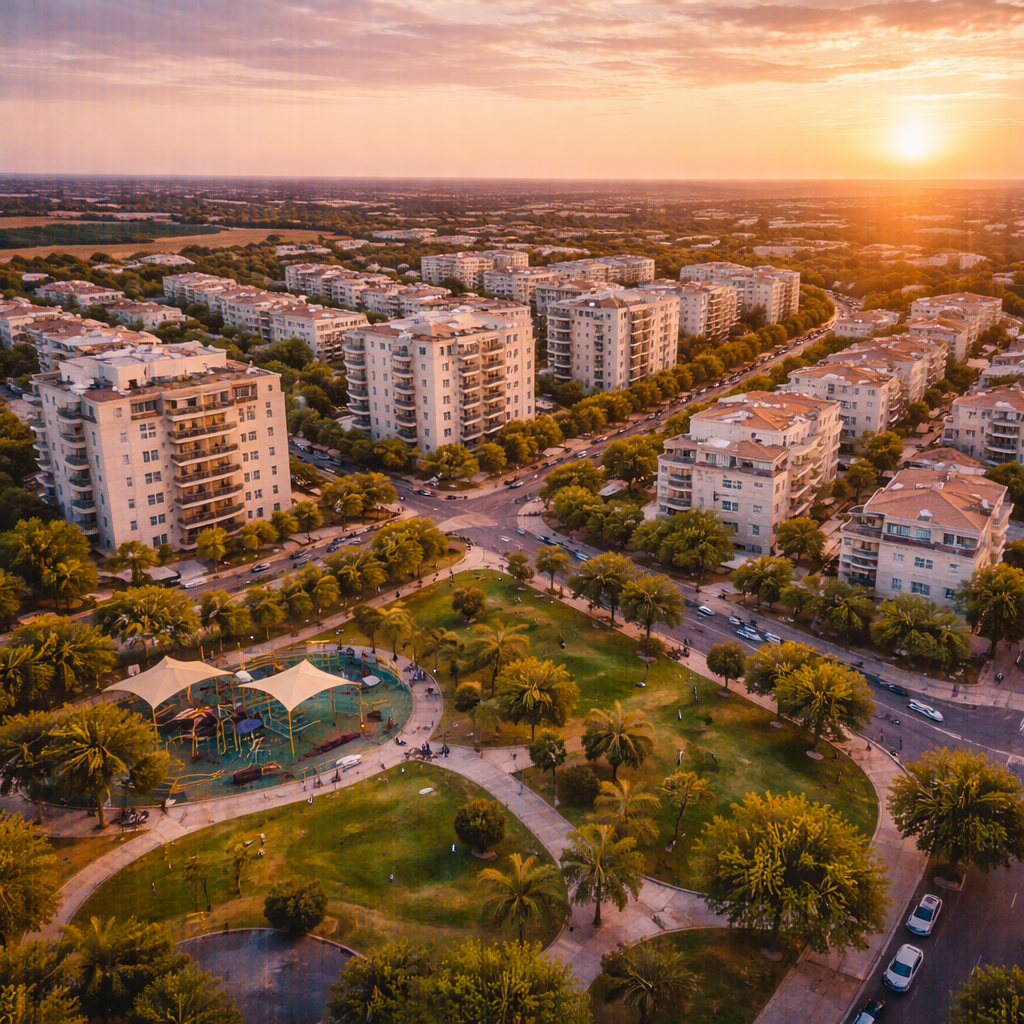
Western Ra'anana| Anglo Community
Western Ra’anana unfolds in a different register from the prestigious Park Area, offering a more accessible entry point into this sought-after city while maintaining the essential qualities that draw English-speaking families to Ra’anana in the first place. This is where practicality meets aspiration, where young families just starting out find their footing, and where the realities of Israeli real estate prices force many immigrants to recalibrate their expectations while still achieving a quality of life that makes the compromises worthwhile. The neighborhoods here stretch toward the western edge of the city, away from the central amenities and commercial heart, creating residential pockets that feel quieter and more removed from the urban bustle.
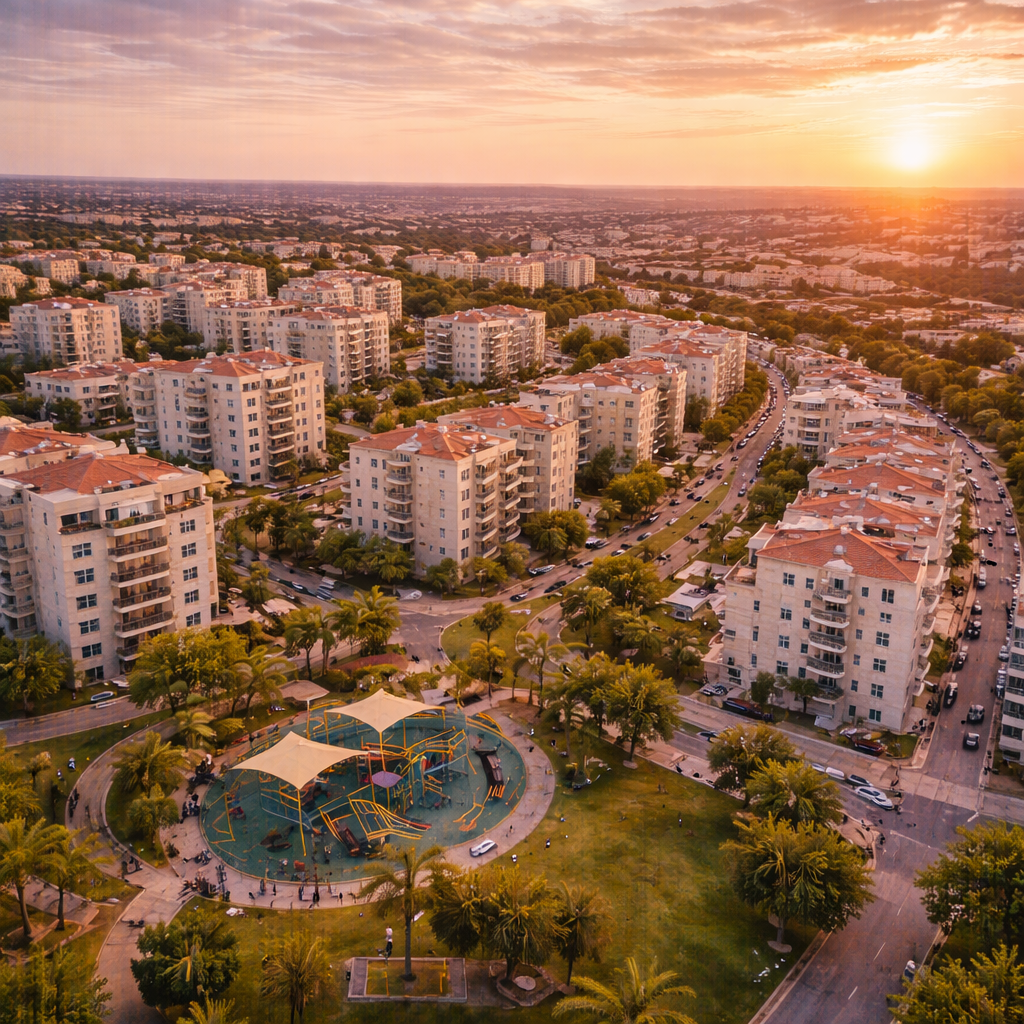
Tzafon Mizrach| Anglo Community
Tzafon Mizrach, which translates literally as North East, occupies a fascinating position in Tel Aviv’s urban landscape and in the imagination of those seeking to make their home in the city. Unlike Neve Tzedek with its historic charm or the Old North with its established Anglo community, Tzafon Mizrach represents something more fluid and harder to pin down, a neighborhood that has been steadily transforming over the past two decades from a somewhat neglected area into one of Tel Aviv’s more desirable addresses, particularly for young professionals and families who want to be close to the center of things without quite being in the thick of the city’s most tourist-heavy zones.
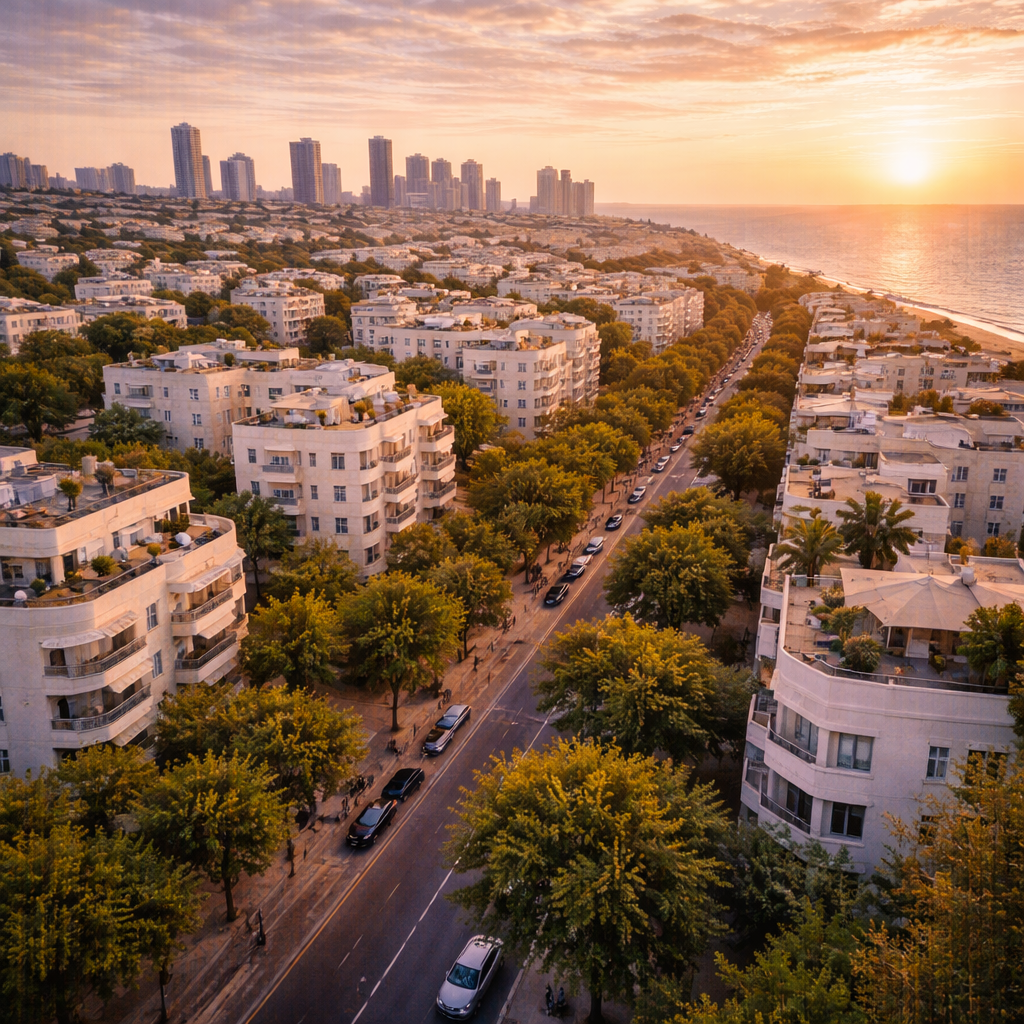
The Old North| Anglo Community
The Old North neighborhood of Tel Aviv, known in Hebrew as Tzafon Yashan, occupies a special place in the city’s geography and in the hearts of its Anglo residents. Stretching along the Mediterranean coast in northern Tel Aviv, this area has become the de facto center of English-speaking life in Israel’s most cosmopolitan city. Unlike the more sprawling Anglo communities found in suburban Ra’anana or the religiously diverse neighborhoods of Jerusalem, the Old North offers something distinctly urban and distinctly Tel Avivi while still maintaining that comfortable familiarity that English speakers crave when making such a monumental life change.
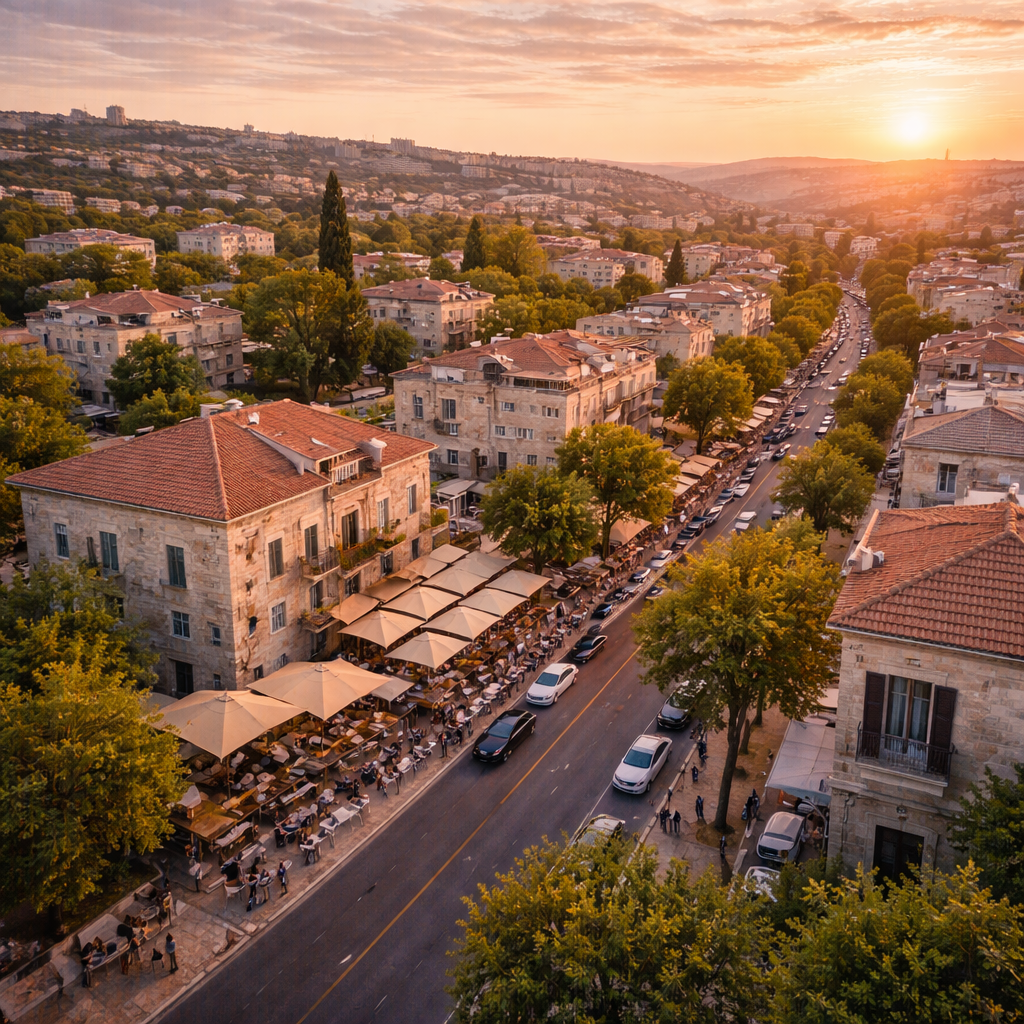
Baka | Anglo Community
I’d like to tell you about Baka, one of Jerusalem’s most remarkable neighborhoods and perhaps the premier destination for English-speaking immigrants to Israel. Picture a place where ancient Jerusalem stone meets modern cosmopolitan life, where you can hear as much English as Hebrew on the streets, and where the aroma of fresh-baked challah mingles with artisanal coffee from trendy cafés.
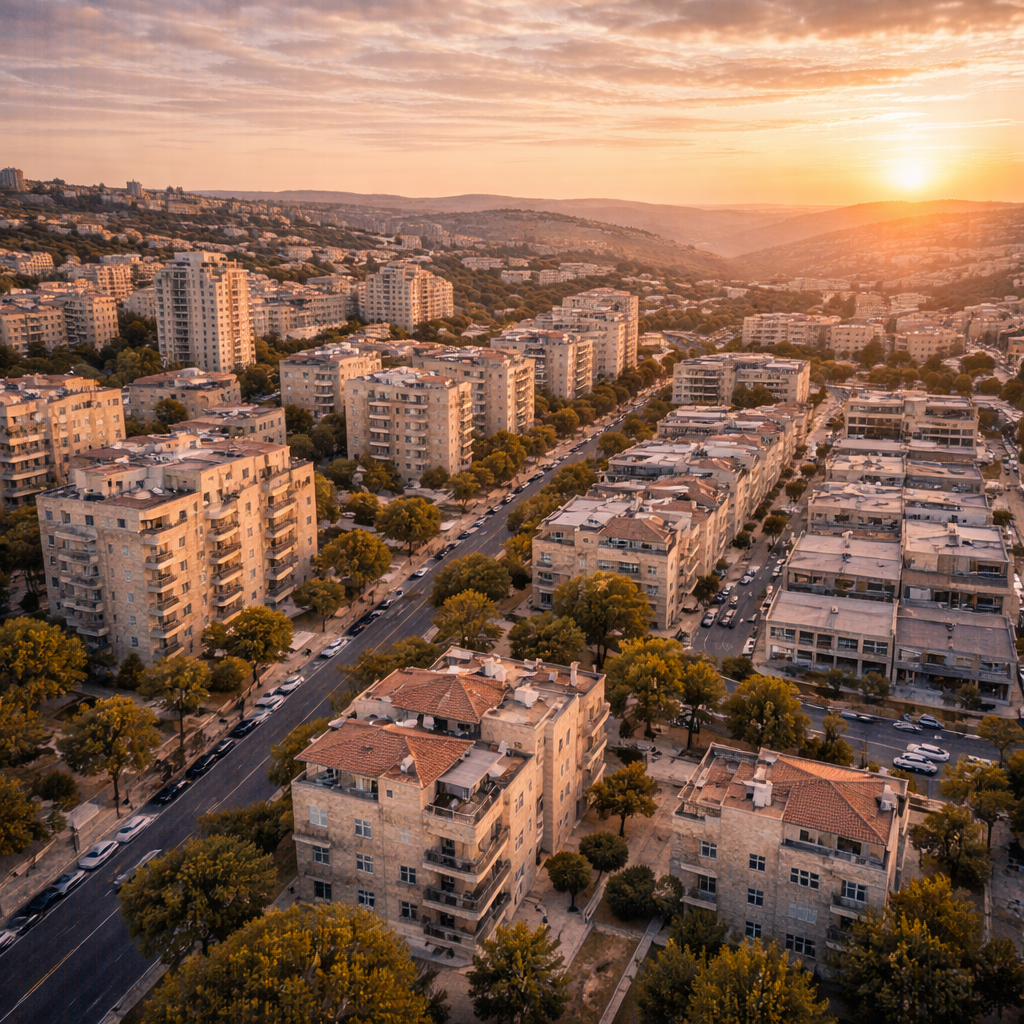
Talpiot | Anglo Community
Let me tell you about Talpiot, a neighborhood that represents a completely different vision of Jerusalem from the elegant European sophistication of Rehavia or the gentrified cosmopolitanism of the German Colony. Talpiot is where working Jerusalem lives, where industry meets residence, where you’re as likely to see auto body shops and warehouse stores as cafés and boutiques, and where the gritty reality of making a living in an expensive city takes precedence over architectural aesthetics or intellectual pretensions. If you want to understand how most Jerusalemites actually live, away from the tourist sites and the elite neighborhoods, Talpiot is where you need to go.
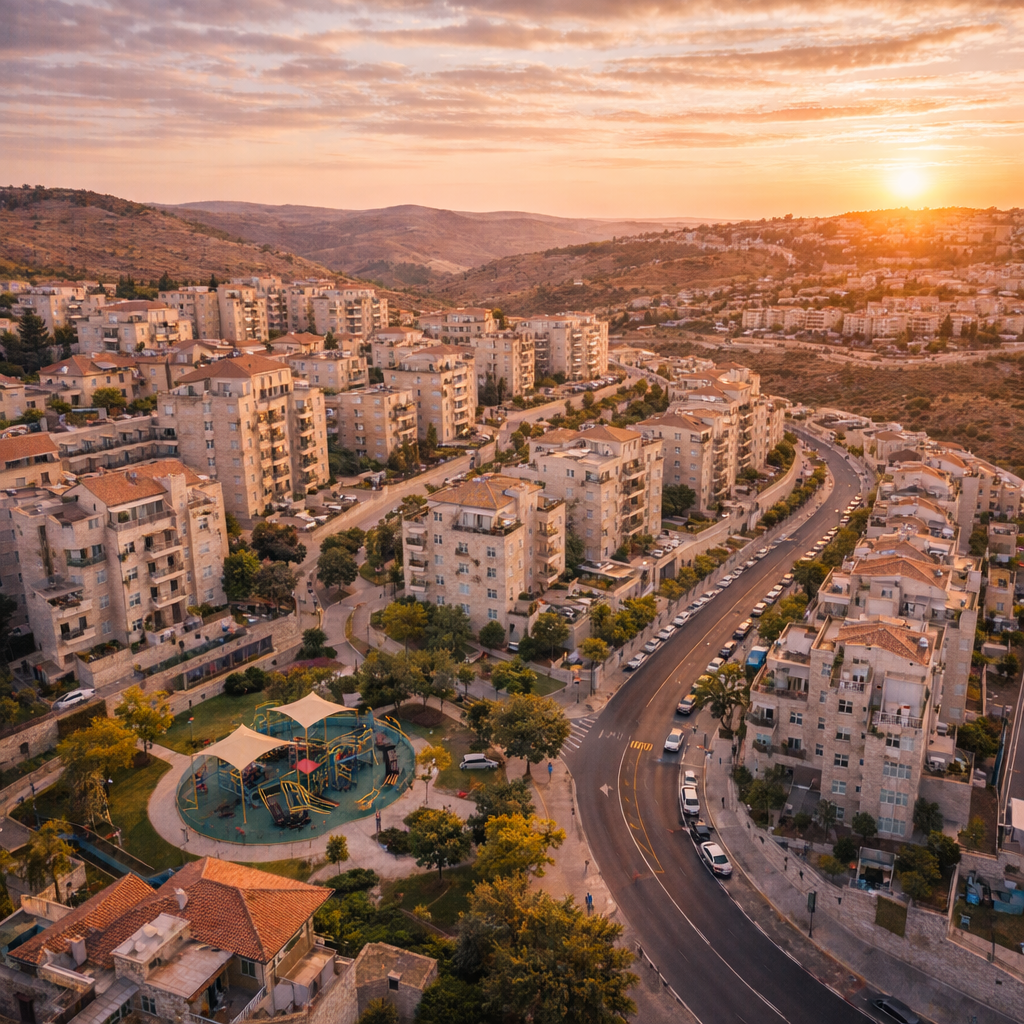
Shvatim-Moriah | Anglo Community
There’s a fascinating quirk about one of Modiin’s most popular Anglo neighborhoods: it has three names, and which one you use tells a story. Officially, it’s two separate neighborhoods—HaShvatim, meaning “The Tribes,” in the north, and Moriah, named after ancient Jewish women and the biblical mount, in the south. Colloquially, Israelis and long-time residents call it “Buchman,” after the architect who planned it. But increasingly, especially among newer Anglo olim, you’ll hear people distinguish between them: “We’re in Shvatim,” they’ll say, or “We’re looking in Moriah.” But here’s what’s interesting: despite the technical distinctions, this area functions as one integrated neighborhood. When people talk about “Buchman,” they’re usually referring to this southern section of Modiin where Shvatim and Moriah blend together—where the Anglo presence is strongest, where the commercial infrastructure is most developed, and where thousands of English-speaking families have built their Israeli lives. Today, we’re going to explore Shvatim-Moriah in depth—understanding its unique character, discovering what makes it tick, and helping you decide whether this might be the right place for your own aliyah journey.
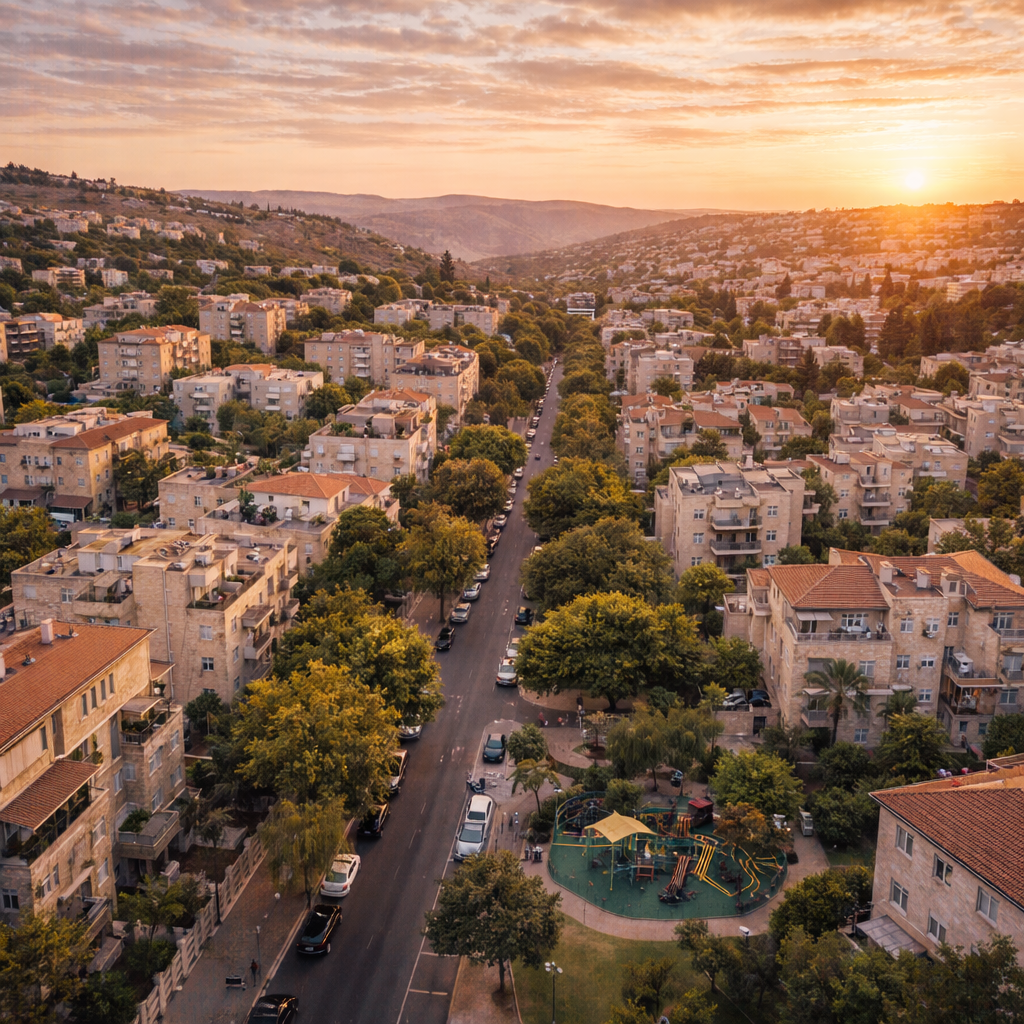
Sheinfeld | Anglo Community
In the early 1990s, when Beit Shemesh was still a sleepy development town of less than thirty thousand people, mostly Sephardic families from North Africa with limited economic opportunities, something remarkable happened that would transform not just one neighborhood but the entire trajectory of Anglo aliyah to Israel. A real estate agent named Shelly Levine approached a developer named Arie Sheinfeld with an innovative proposal: to build a neighborhood specifically targeting the English-speaking market. The idea was revolutionary for its time, creating what would become known as an “Anglo” community where religious Zionist families from America, Great Britain, Australia, and South Africa could have an easier absorption among a larger Israeli population. That neighborhood, named after its builder, became Sheinfeld, and it would go on to become one of the most successful and influential Anglo communities in Israel, the pioneer that proved the concept could work and paved the way for the massive Anglo expansion into Beit Shemesh that followed.
Rehavia | Anglo Community
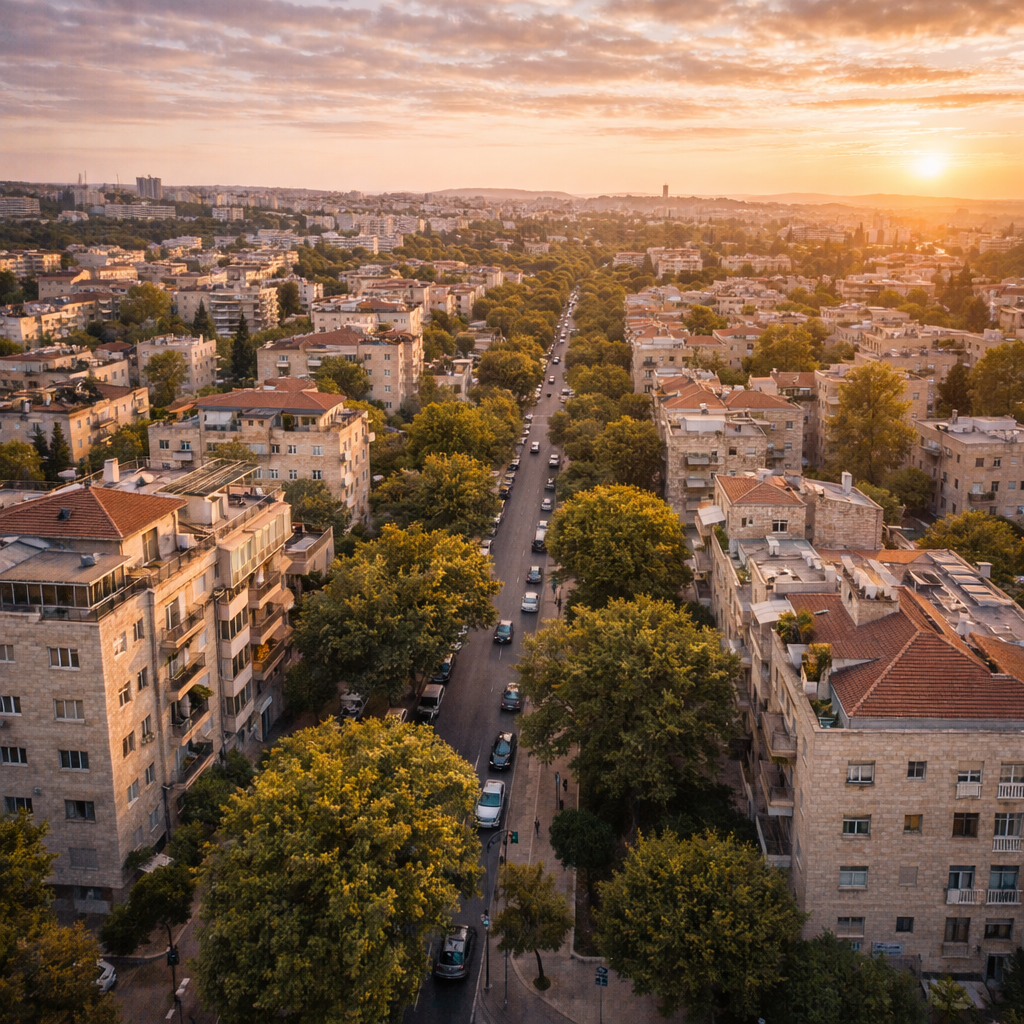
Let me tell you about Rehavia, a neighborhood that represents something truly unique in Jerusalem and indeed in all of Israel: a place where intellectual achievement is valued above wealth, where architectural restraint is prized over ostentation, where Hebrew University professors have lived for generations alongside Supreme Court justices and Nobel Prize winners, and where the ideals of European liberal humanism found their most refined expression in the heart of the Jewish homeland.
Ramat Tzvi | Anglo Community
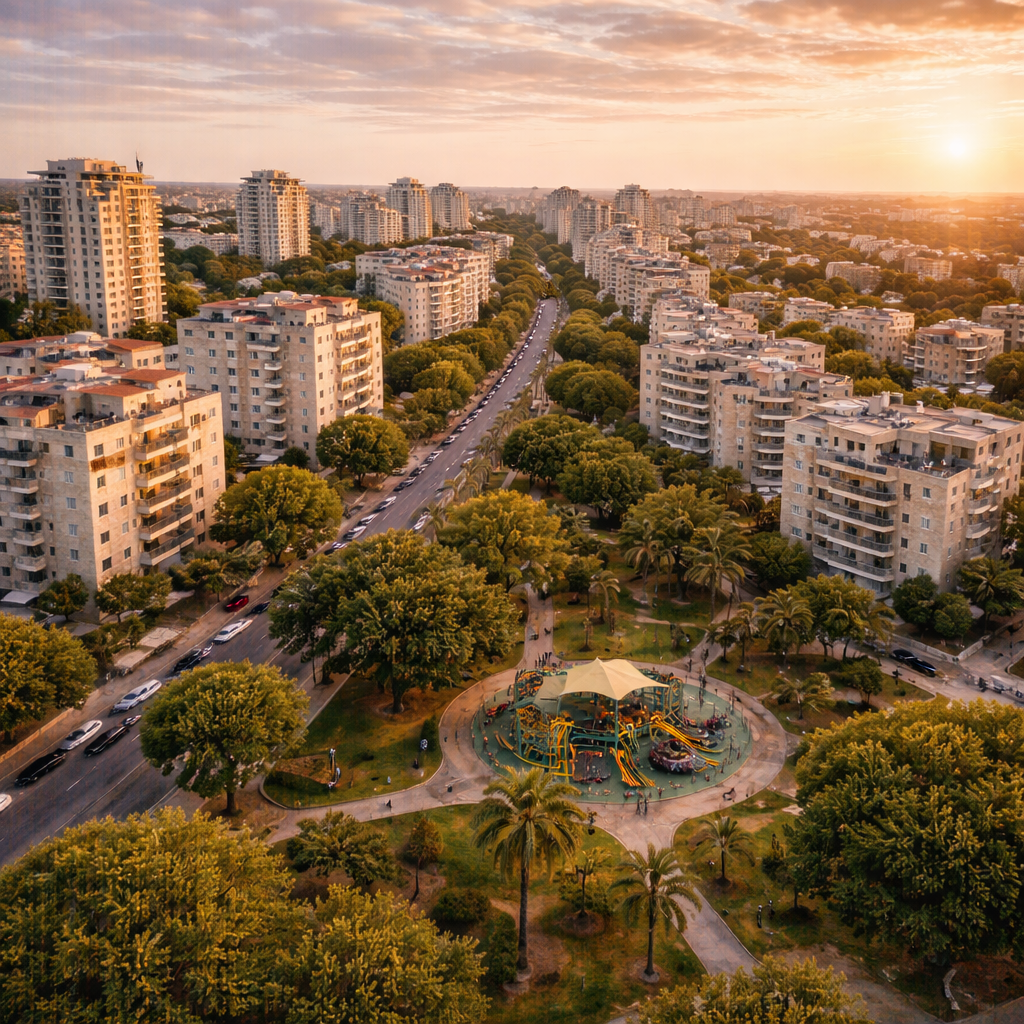
When you navigate through Zichron Yaakov, following the roundabouts that mark transitions from one section of town to another, you’ll encounter signs pointing toward Ramat Tzvi and the adjacent Mul HaYekev area. The roundabout that marks this turn is known locally as Charenton le Pont Square, a curiously French name that hints at Zichron’s historical connections to Baron Rothschild’s France. Ramat Tzvi sits close to the center of the Moshava, within walking distance of the Pisgat Zichron shopping center and the commercial heart of this historic wine country town, yet it maintains a distinct character that sets it apart from both the tourist-oriented pedestrian mall and the more secular neighborhoods that define much of Zichron’s identity.