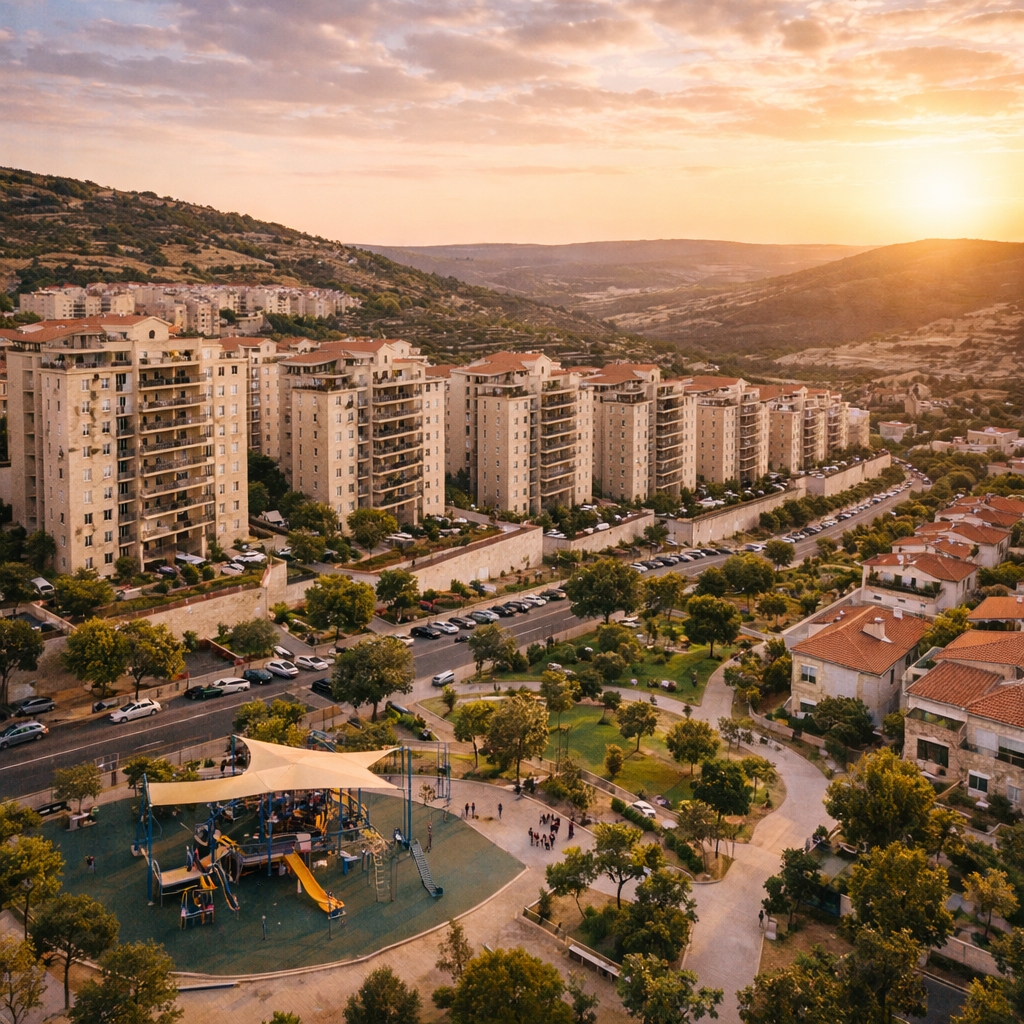
Nofei Aviv | Anglo Community
In 1996, when construction workers were just beginning to lay the foundations for what would become one of Beit Shemesh’s most successful Anglo neighborhoods, few could have imagined that this small community of semi-attached cottages would serve as a model for Modern Orthodox aliyah that would influence community building across Israel for decades to come. Nofei Aviv, whose name means “Spring Landscape” in Hebrew, was established in that year as part of the wave of Anglo development in Beit Shemesh that had begun with Sheinfeld in 1991 and would continue with Migdal Hamayim, Nofei Hashemesh, and eventually Ramat Beit Shemesh itself. What made Nofei Aviv distinct from the beginning was its focus on creating not just housing but a genuine kehilla, a community built around a central synagogue and shared values, where families making aliyah from English-speaking countries could maintain their religious and cultural identity while integrating into Israeli life.
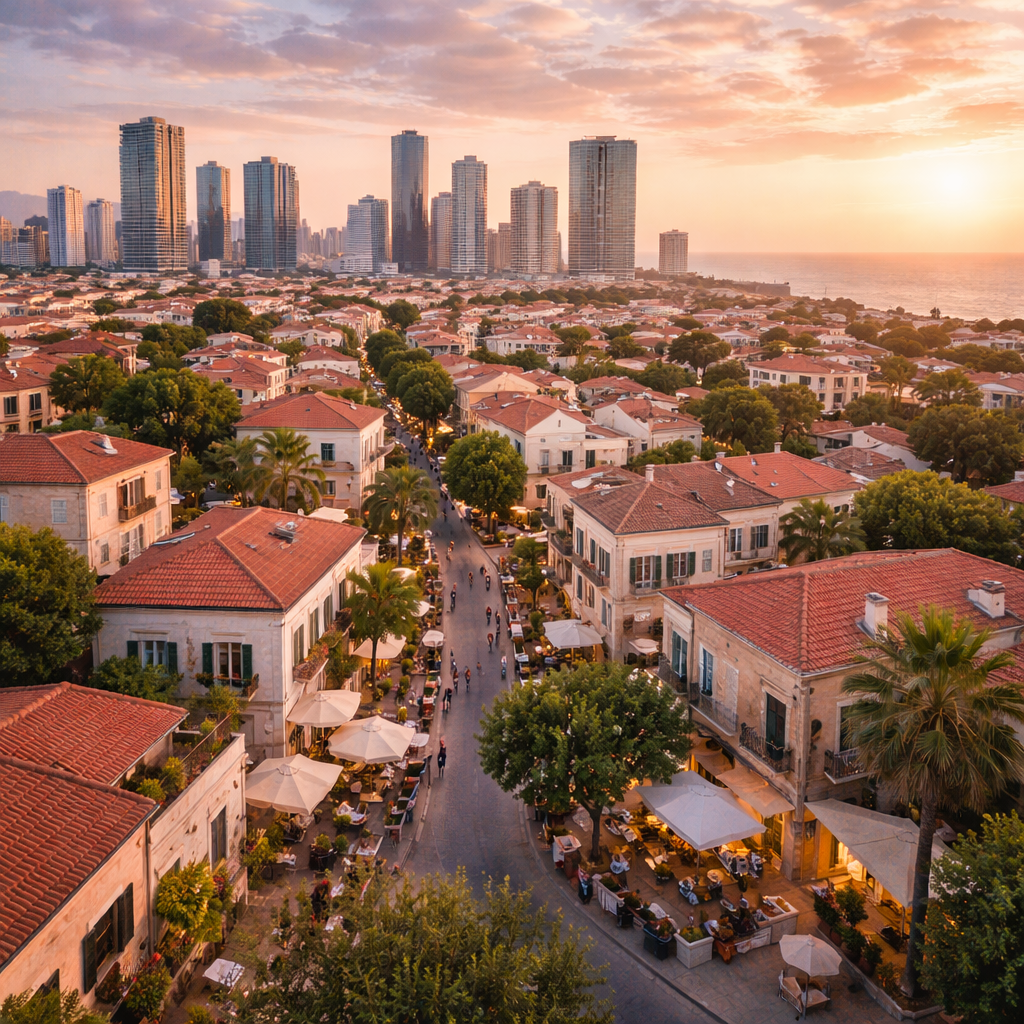
Neve Tzedek | Anglo Community
Neve Tzedek holds a special place in Tel Aviv’s urban fabric, representing not just a neighborhood but a piece of living history that has transformed from the city’s humble beginnings into one of its most desirable and expensive addresses. The name itself means “Oasis of Justice,” and while the neighborhood today is more closely associated with boutique hotels and art galleries than with any particular notion of justice, it retains a romantic charm that makes it irresistible to a certain type of resident, including those English-speaking immigrants who can afford its premium prices and appreciate its unique character.
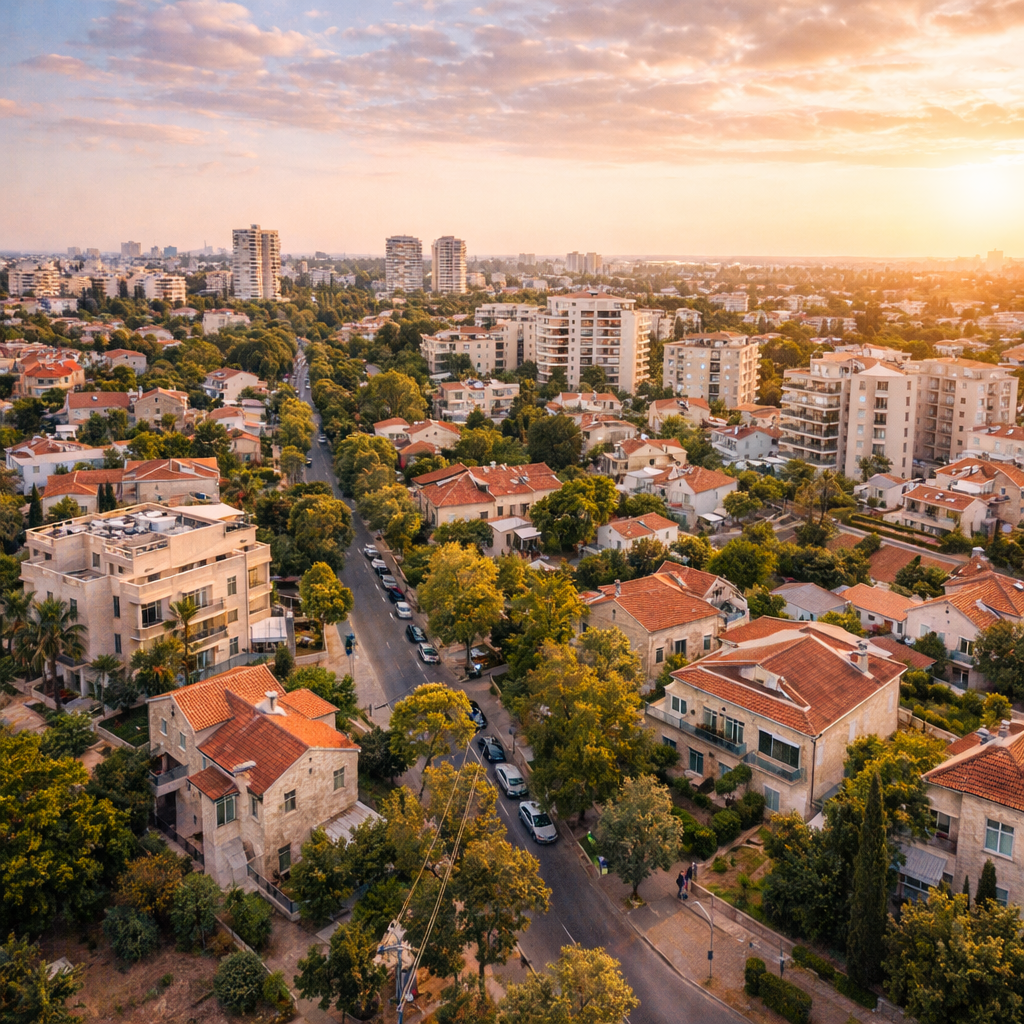
Neve Remez | Anglo Community
When you arrive in Zichron Yaakov and people talk about “the Moshava,” they’re referring to something far more than just another neighborhood. They’re speaking about the original settlement itself, the historic core that gave birth to this entire town perched high on the southern slopes of Mount Carmel. The word “moshava” means agricultural settlement in Hebrew, and this particular one has a story that stretches back to December 1882, when one hundred determined Romanian Jewish pioneers stepped onto this land with little more than hope and an unshakeable belief in returning to their ancestral homeland.
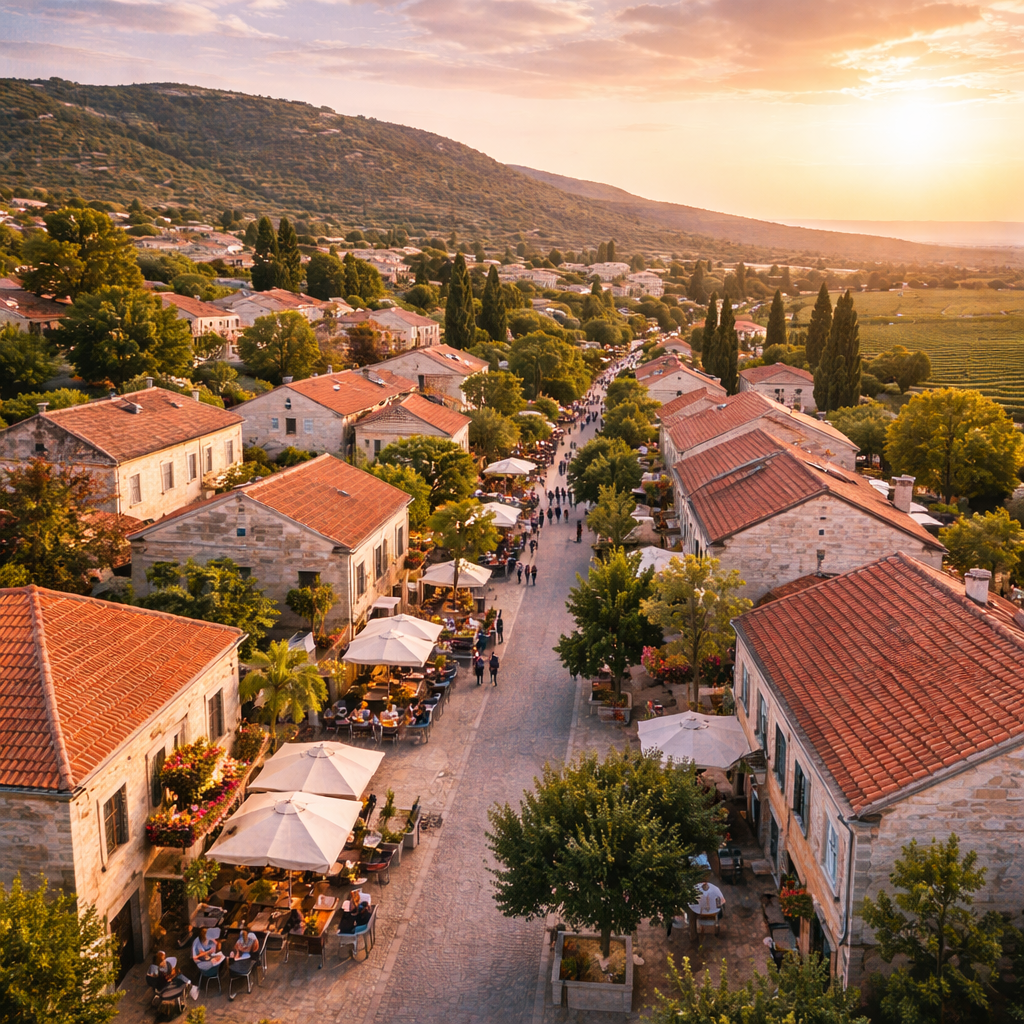
Moshava | Anglo Community
When you arrive in Zichron Yaakov and people talk about “the Moshava,” they’re referring to something far more than just another neighborhood. They’re speaking about the original settlement itself, the historic core that gave birth to this entire town perched high on the southern slopes of Mount Carmel. The word “moshava” means agricultural settlement in Hebrew, and this particular one has a story that stretches back to December 1882, when one hundred determined Romanian Jewish pioneers stepped onto this land with little more than hope and an unshakeable belief in returning to their ancestral homeland.